
The operating system (OS) is responsible for managing computer hardware and software resources. Its operations and functions include:
1. Process management: It oversees the execution of programs, manages processes, and allocates system resources to ensure efficient multitasking.
2. Memory management: The OS controls memory allocation, tracking which programs and data are loaded into memory and optimizing their usage to maximize efficiency.
3. File system management: It organizes and manages files and directories, providing a hierarchical structure for data storage and enabling file access, creation, deletion, and modification.
4. Device management: The OS handles input and output (I/O) operations, manages device drivers, and facilitates communication between software and hardware devices such as printers, keyboards, and network interfaces.
5. User interface: It provides a means for users to interact with the computer system, often through graphical user interfaces (GUIs) or command-line interfaces (CLIs).
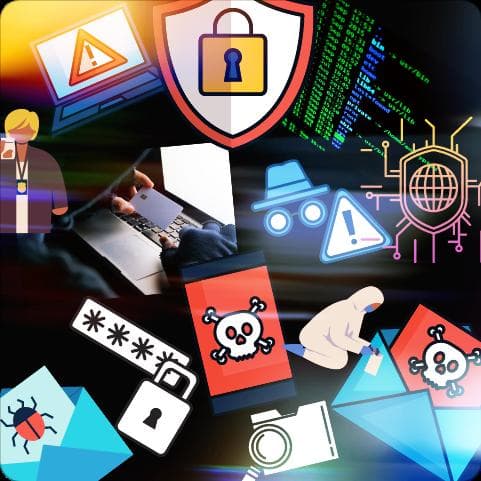
6. Security and access control: The OS enforces user authentication, permissions, and access controls to protect the system and data from unauthorized access or malicious activities.
7. Networking: It supports network protocols, manages network connections, and facilitates communication between computers in a networked environment.
8. Error handling and recovery: The OS detects and handles errors, such as software crashes or hardware failures, and provides mechanisms for recovery, system stability, and fault tolerance.
9. Resource allocation and scheduling: The OS manages and allocates system resources such as CPU time, memory, and storage to different processes and users, ensuring fair and efficient resource utilization.
10. System configuration and maintenance: It allows users to configure system settings, install or update software, and perform maintenance tasks such as backups, system updates, and software patches.
These are some of the key operations and functions performed by an operating system to facilitate the smooth operation of a computer system.