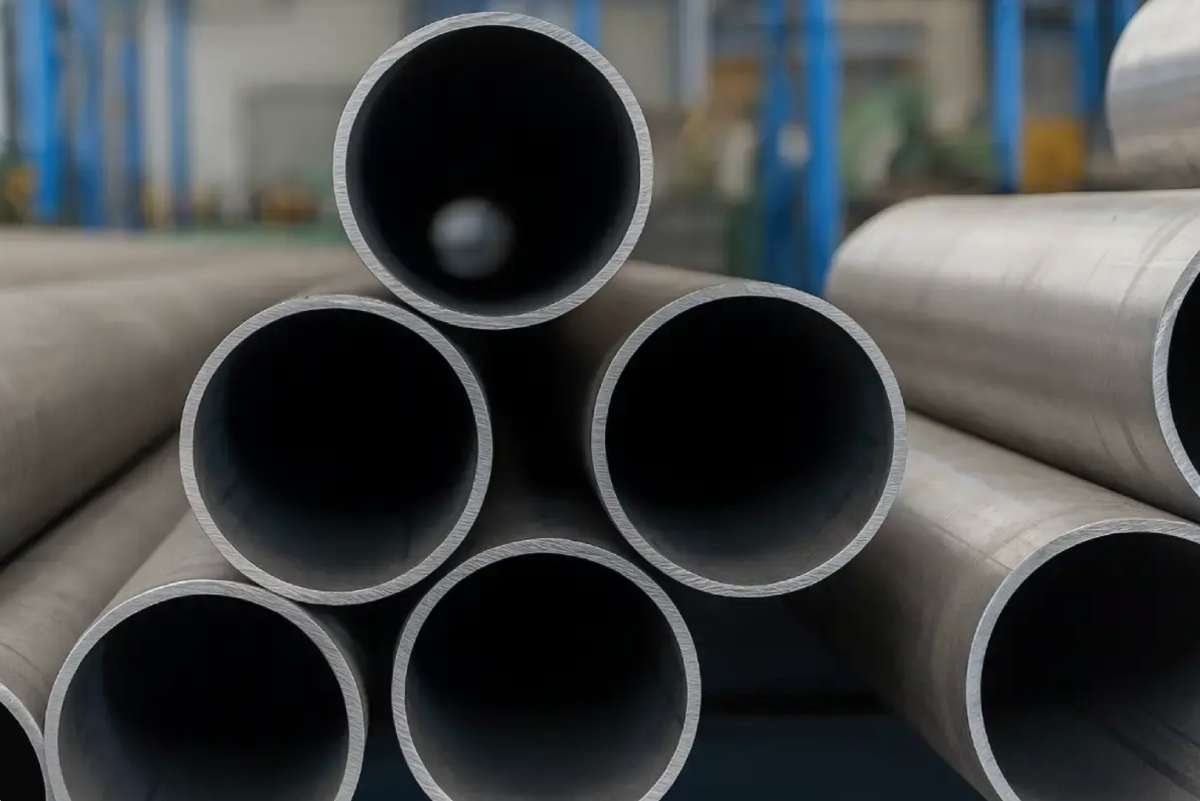
Pipelines are the lifeblood of industries everywhere. Whether transporting oil and gas, chemicals, or water transport systems, the dependability of their performance to do this safely and efficiently hangs on one fact alone — integrity. Of all the technical factors that decide how efficiently a pipeline will function, tolerances and wall thickness are the core considerations. Though they sound like detail items, they are actually what maintain systems operating optimally, avoiding leaks, bursts, and downtime expenses.
Tolerance simply means the acceptable variation in the size of a pipe during manufacture. It is impossible to make any pipe absolutely perfect, so tolerance defines the maximum amount of deviation from the nominal size that is permitted. These variations may be in diameter, ovality, straightness, or even wall thickness of the pipe.
Properly maintained tolerance guarantees that pipes connect perfectly when installed. When tolerances are not managed, gaps, misalignments, or stress points may arise. These minute irregularities over time can cause serious issues like joint failure, corrosion, or fatigue cracking. In sectors handling high pressure or toxic materials, even a minute misalignment can become a serious safety hazard.
Producers adhere to global standards like ASME, ASTM, and API in order to ensure accurate tolerances. They check every pipe they produce to ensure that it falls within the safe dimensional range for its purpose.
Wall thickness is another important consideration that has a direct influence on the strength and performance of a pipeline. It also reflects how much internal or external pressure can be safely withstood by the pipe. In other words, the thicker the wall, the more capable it is of resisting pressure, temperature fluctuation, and mechanical stress.
In applications such as oil refineries, petrochemical plants, and offshore installations, where liquids are carried under high-pressure conditions, the choice of proper wall thickness can be the difference between safe operation and system failure. Alternatively, applying thicker pipes than necessary means weight, cost, and welding hassle. Therefore, attaining a proper balance is crucial.
Engineers often calculate wall thickness based on design pressure, temperature, material grade, and the type of fluid being transported. Corrosion allowance is also added to ensure long-term durability, especially in harsh environments where pipes are exposed to moisture, chemicals, or abrasive materials.
Tolerance and wall thickness go hand in hand. Too great a deviation of a pipe's wall thickness within one section will cause weak points in the pipe. Likewise, too much tolerance deviation of the pipe will cause it not to mate correctly with other items like flanges, valves, or fittings. Both aspects have to be tightly controlled to provide overall pipeline integrity.
Regular inspection and non-destructive testing (NDT) techniques, such as ultrasonic testing, ensure that the pipes are within acceptable tolerance and thickness limits throughout their life.
It is not simply material alone; pipeline integrity is about precision and consistency. Tolerances and wall thickness in control ensure safe, efficient, and longer-lasting pipelines. Disregarding them, though, can result in system failures, expensive repairs, and environmental risks.
For industries that count on reliable piping systems, quality material selection and proven suppliers are imperative. At Online Fittings, products are made to the highest specifications to bring accuracy, strength, and long-term reliability to each project.