wisemonkeys logo
FeedNotificationProfileManage Forms
FeedNotificationSearchSign in
wisemonkeys logo

Blogs

Memory managment

profile
Umang Vora
Jul 05, 2024
0 Likes
0 Discussions
2 Reads

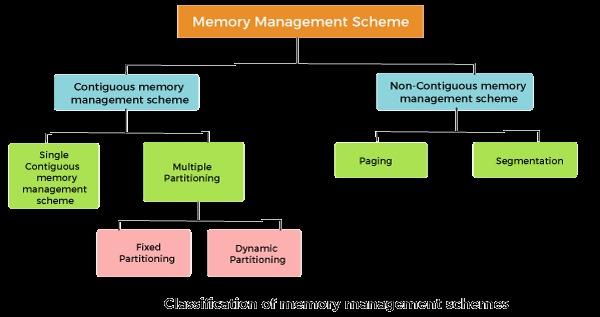
Memory management in an operating system (OS) is like a librarian managing books in a library. Here’s how it works in simple terms:


1. **Allocation and Deallocation**: Imagine programs as people borrowing books (memory) from the library. The librarian (OS) gives books to people when they need them and takes the books back when they’re done.


2. **Memory Protection**: Each person should only read their own books and not mess with someone else’s. The librarian ensures that people don't take or modify each other’s books.


3. **Memory Sharing**: Sometimes, several people might need to read the same book. The librarian lets them share it instead of giving out multiple copies, saving space.


4. **Virtual Memory Management**: If the library runs out of physical space (RAM), the librarian can use some space in the back storage (hard disk) to keep extra books. This makes the library seem bigger than it really is.


5. **Memory Mapping**: The librarian can make some books available quickly by placing them in a special, easy-to-access area. This is useful for frequently used books.


6. **Garbage Collection**: Sometimes, people leave books lying around when they’re done. The librarian goes around and picks up these unused books to put them back on the shelves, making room for others.


Overall, memory management ensures that programs run smoothly by efficiently handling the computer's memory, much like a well-organized library where everyone can find and use the books they need.



Comments ()


Sign in

Read Next

Process and Threading

Blog banner

"The Benefits of Using GIS in Agriculture"

Blog banner

Network Forensics Tools and Techniques

Blog banner

USPS mail

Blog banner

What is Influencer Marketing and its Trends

Blog banner

Kernel Memory Allocation In Linux.

Blog banner

OPERATING SYSTEM

Blog banner

A MODERN OPERATING SYSTEM

Blog banner

10 Interesting Facts about Death Note

Blog banner

Race Condition

Blog banner

Embedded Operating System

Blog banner

Data Warehousing

Blog banner

Linker

Blog banner

Linux VServer Architecture

Blog banner

Starvation

Blog banner

Full Disk Encryption on Digital Forensics

Blog banner

Internet of Things

Blog banner

Firewall

Blog banner

What is 'Multi-core and Multi-threading' ?

Blog banner

Health and fitness

Blog banner

Review on Cyber Forensics and its Analysis Tools

Blog banner

UniProcessor Scheduling

Blog banner

Consumer to consumer Business model

Blog banner

Mobile Survey

Blog banner

Fault Tolerance

Blog banner

SMARTSHEET MANAGEMENT SYSTEM

Blog banner

Data Analytics in Data Science

Blog banner

What are Virtual Machines

Blog banner

Beautiful and stunning natural phenomena worth to see

Blog banner

Threads and concurrency

Blog banner

Virtual memory

Blog banner

What is Spyware?

Blog banner

security requirements for safe e-payment

Blog banner

Dove’s Real Beauty Campaign- Case Study

Blog banner

Bulk E-mail software

Blog banner

Virtual Machine

Blog banner

I/O Management and Disk Scheduling

Blog banner

K-means use cases

Blog banner

The Role of Frontline Managers in Driving Workplace Performance and Customer Satisfaction

Blog banner

ahh wait a min

Blog banner

Deadlock and Starvation

Blog banner

Importance Of Blockchain

Blog banner