What is a linker?
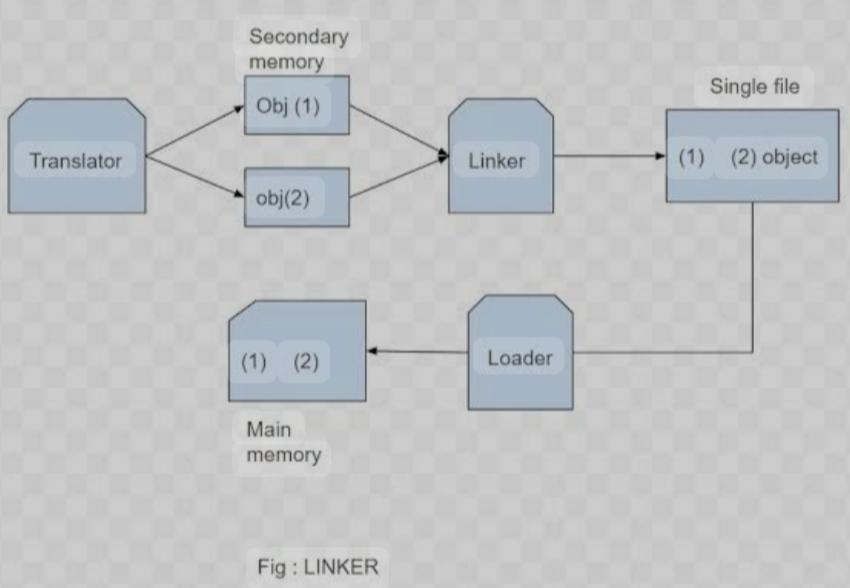
A linker is a software tool that plays a crucial role in the compilation process of a program. It takes the object code generated by the compiler and combines it with other necessary libraries and modules to create an executable file.
Why do I need a linker?
You need a linker because it takes care of resolving references between different parts of your program. When you write code, you often divide it into multiple source files or modules. The linker ensures that all the necessary functions and variables from different modules are correctly connected, allowing your program to run smoothly.
Are there different types of linkers?
Yes, there are different types of linkers. The most common ones are static linkers and dynamic linkers. Static linkers merge all the necessary object code and libraries into a single executable file, resulting in a self-contained program. Dynamic linkers, on the other hand, allow the program to be loaded into memory at runtime and link to shared libraries, enabling more flexibility and efficient memory usage.
What are the advantages of using a dynamic linker?
Using a dynamic linker offers several advantages. Firstly, it allows multiple programs to share the same code in memory, reducing the overall memory footprint. Secondly, dynamic linking enables the dynamic loading and unloading of libraries, which can be useful for plugins or modules that are only needed at certain times. Additionally, dynamic linking allows for easier updates and patching of shared libraries without requiring recompilation of the entire program.
Are there any tools or commands for linking in specific programming languages?
Yes, different programming languages provide their own tools or commands for linking. For example, in C and C++, you can use the "gcc" or "g++" compiler, which includes the linker as part of the compilation process. These compilers automatically invoke the linker to create the final executable file. In other languages, such as Java, the linker is typically invoked by language-specific build tools, such as "javac" and "ant."