Operating systems contain and manage all the programs and applications that a computer or mobile device is able to run, which means managing the device’s software and hardware functions. The function of OS include:
1.Booting: Booting is the process of turning on the computer and powering up the system.
Memory management: This feature controls and coordinates the computer applications while allocating space for programs.
2.Loading and execution: Your OS will load, or start up, a program and then execute the program so that it opens and runs.
3.Data security: A good OS includes features that keep your data safe and computer programs secure. Security features are set up to keep unwanted cyberattackers at bay.
4.Disk management: This manages all the drives installed in a computer, including hard drives, optical disk drives, and flash drives. Disk management can also be used to divide disks, format drives, and more.
5.Process management: Your OS is designed to allocate resources to different computer processes, enable the processes to share information, protect them, and synchronize them.
6.User interface: Also referred to as a UI, this is the part of the OS that allows a user to enter and receive information. This can be done with typed commands, code, and other formats.
SOME POPULAR MODERN OPERATING SYSTEM:-
Microsoft Windows.
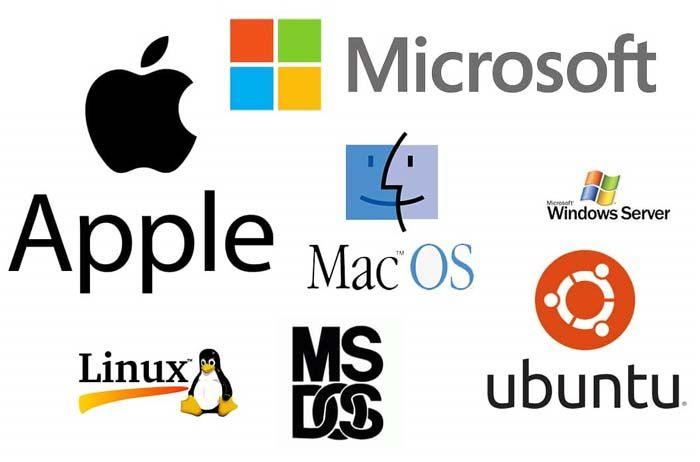
The Windows OS has been around since the 1980s and has had several versions and updates (including Windows 95, Windows Vista, Windows 7/8/10, etc.) Microsoft Windows is one of the popular operating system types and is preloaded on most new PC hardware. With each new Windows update or release, Microsoft continues to work on improving their users’ experience, hardware, and software, making Windows more accessible and easier to use.
Apple macOS.
Head-to-head in the competition with Microsoft Windows is Apple’s macOS. macOS and Windows are both examples of proprietary operating systems, meaning that the company conceptualized, designed, developed, and now sells their own OS. They’re designed and sold by the companies and aren’t meant to be tampered with or tweaked by users. Apple and Macintosh computers run on the proprietary macOS and OS X system, the first of which launched 20 years ago.
Google's Android OS.
The OS that companies including Google use to run its Android mobile smartphones and tablets is based on Linux distribution and other open source software. Android OS is the primary OS for Google mobile devices like smartphones and tablets. Android has gained increasing popularity since its release as an alternative to Apple’s iOS for smartphone users and is continuing to increase in popularity with new updates and exciting features.
Apple iOS.
Apple's iOS is another mobile operating system used exclusively for iPhones, some of the most popular mobile devices on the market. iOS integrations have regular updates, new expansions to software, and continually are offering new features for users even if they have older devices.
Linux Operating System.
Linux is different from Windows and Apple in that it’s not a proprietary software, but rather a family of open source systems. In other words, anyone can modify and distribute it. Linux may be the least known on this list, but it’s free and available in many different open source versions. Linux is popular because of its ease of customization and offers a variety of options to those who understand how to use it.
-Nahida Shaikh DIV B sap id- 53003230045