
wisemonkeys logo
FeedNotificationProfileManage Forms
FeedNotificationSearchSign in
wisemonkeys logo

Blogs

Method of Evaluating Information Security Level in an Organization

profile
25_Amey Lad
Aug 24, 2023
0 Likes
1 Discussions
79 Reads

Introduction:

          In the modern era the world is increasingly being reliant on Technology. It has become a part of our Everyday life, As more and more information is being stored online the risk of Cyber attacks is becoming greater. In 2023, the global cost of Cybercrime is estimated to reach $8 trillion, and this number is only expected to grow in the years to come.  The Increasing importance of Cybersecurity is also a result of the growing number of data breaches. In 2022, there were over 6.5 billion records exposed in data breaches, and this number is only expected to increase in the years to come. Data breaches can have a devastating impact on individuals and organizations, as they can lead to identity theft, financial losses, and reputational damage.

           The rise of cybersecurity is a challenge, but it is one that we must address. By taking steps to improve the security of our digital infrastructure, we can help to protect ourselves from cyberattacks and mitigate the damage that they can cause.

How can we Evaluate a Security Framework:

           There are various Procedures one need to follow to Evaluate a Security Framework, Firstly, we need to identify the problem and elicited requirements to assess security level of organisations.

Problem Identification: For implementing an information security standard, an organisation needs to understand what should be changed and what is the impact of that change. Similarly, to make decisions at the state level, the organisation needs data to plan and estimate the security strategy.

           A organization also need a good Security Posture, It refers to the overall effectiveness of an organization's cybersecurity strategy. It can be evaluated with the following Criteria:

  • How quickly an intrusion is detected
  • The ability to recover from a security breach
  • Concise software inventory
  • The maturity of automated processes
  • Keeping assets up to date


The Best Method for evaluating the information Security level of an organization will vary depending on the specific needs of the organization. However, all of the methods listed above can be used to provide valuable insights into the organization's security posture.

There are many methods for evaluating the information security level of an organization. Some of the most common methods include:

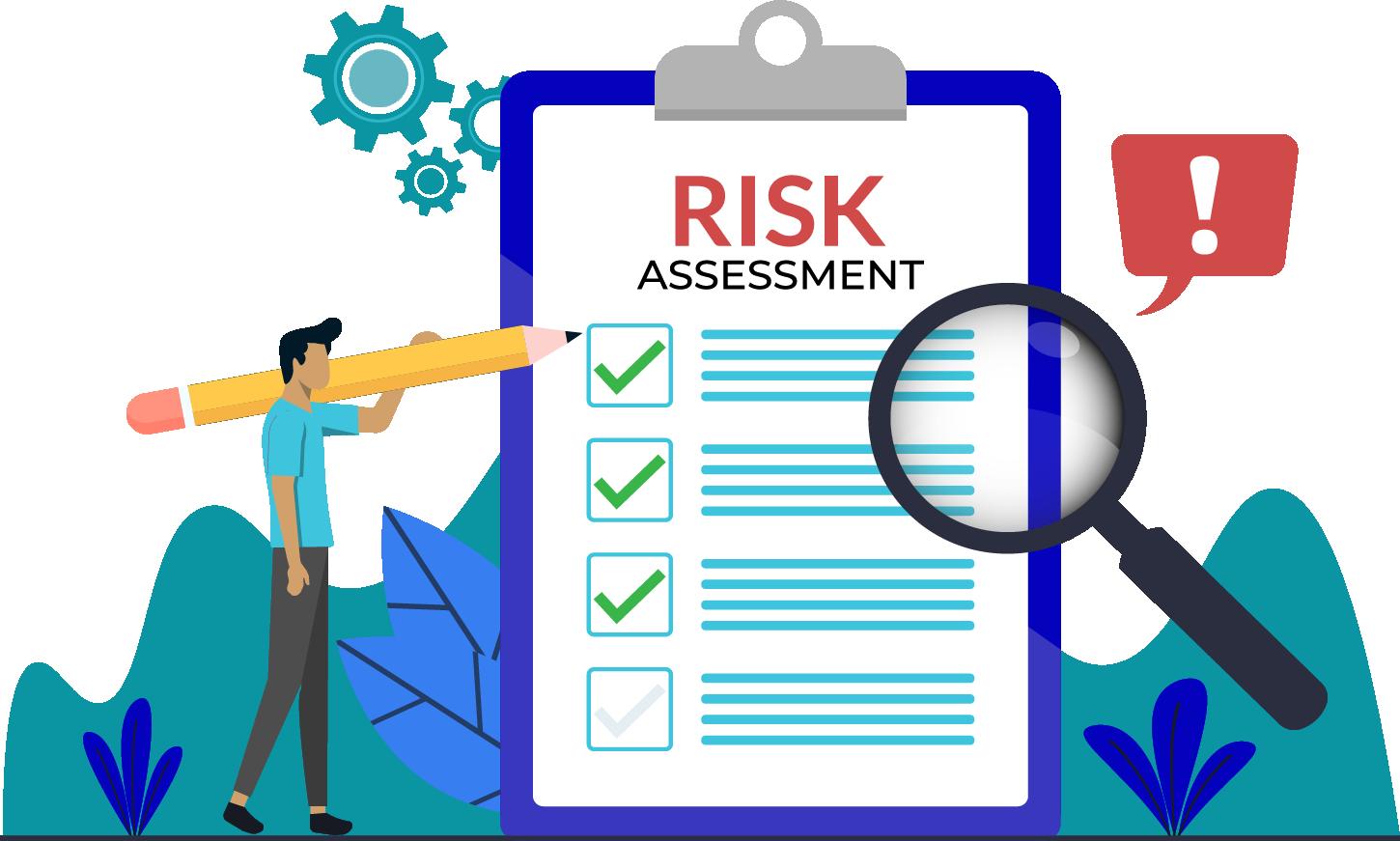
  • Information security risk assessment: This is a systematic process for identifying, assessing, and mitigating the risks to an organization's information assets. The risk assessment should consider the organization's assets, threats, vulnerabilities, and controls.
  • Information security audit: This is a formal examination of an organization's information security controls to determine their effectiveness. The audit should be conducted by an independent party and should follow a defined methodology.
  • Information security compliance assessment: This is an assessment of an organization's compliance with relevant information security standards and regulations. The compliance assessment should determine whether the organization is meeting its legal and regulatory obligations.
  • Information security awareness training: This is the process of educating employees about information security risks and how to protect themselves and the organization's information assets. The training should be tailored to the specific needs of the organization and its employees.
  • Penetration testing: This is an attack simulation that is conducted to assess the security of an organization's systems and networks. The penetration test should be conducted by a qualified security professional and should simulate real-world attacks.

By considering all of these factors, an organization can gain a comprehensive understanding of its information security level and identify areas where improvements can be made.


Other Well known Security Framework:
  • NIST Cybersecurity Framework (CSF): The CSF is a framework developed by the National Institute of Standards and Technology (NIST). It is a comprehensive framework that covers all aspects of security.
  • ISO/IEC 27001: The ISO/IEC 27001 is an international standard for information security management. It is a comprehensive framework that can be used by organizations of all sizes.
  • COBIT 5: COBIT 5 is a framework for IT governance and management. It provides a set of best practices for managing IT risks and ensuring the security of IT systems.
  • PCI DSS: The PCI DSS is a set of security standards developed by the Payment Card Industry (PCI). It is designed to protect cardholder data from fraud and misuse.
  • NIST Special Publication 800-53: NIST SP 800-53 is a set of security controls developed by NIST. It is used by federal agencies to protect their information systems.

These are just a few of the many security frameworks available. The best framework for your organization will depend on your specific needs and requirements.


Conclusion:

           Security Level Evaluation is the foundation of a security management strategy, as it provides detailed information about threats and vulnerabilities that can harm a business's finances and how to mitigate them. By accurately assessing your IT security vulnerabilities and understanding the value of your information assets, you can improve your security policies and procedures to better protect against cyber attacks and protect your critical assets.


Comments ()


Sign in

Read Next

Deadlock

Blog banner

Starting Android Activity Using Intent

Blog banner

Blockchain uses and use cases

Blog banner

What is M-commerce and how it's work

Blog banner

Dos (Denial of service) Attack

Blog banner

GIS Bharat Maps

Blog banner

File sharing

Blog banner

Image Steganalysis in Digital Forensics

Blog banner

Study of Sniffing Tools

Blog banner

Security requirements for Safe E-Payments

Blog banner

Time Series Analysis

Blog banner

Ubiquitous Computing

Blog banner

What are NFT s?

Blog banner

Measuring IT Risk

Blog banner

Place to visit in pune

Blog banner

Jira service Management

Blog banner

Objectives and Functions of Operating System

Blog banner

Importance of Education

Blog banner

K-means use cases

Blog banner

Why Should You Schedule Tweets on Twitter?

Blog banner

Gamer life

Blog banner

SQL Injection

Blog banner

What is process

Blog banner

IS CONVERTING AMBITION INTO PROFESSION?

Blog banner

Google classroom

Blog banner

Mumbai local ......

Blog banner

Processes: Process Description and Control.

Blog banner

undefined

Blog banner

Concept and definition of m-commerce

Blog banner

Bitcoin sent using radio waves! No internet!

Blog banner

10 Reasons to Date a South Indian Girl

Blog banner

Never give up

Blog banner

Zomato's Secret Digital Marketing Techniques!

Blog banner

The Role of Data Provenance and Lineage in Modern Data Science

Blog banner

CYBERPEACEKEEPING: NEW WAYS TO PREVENT AND MANAGE CYBERATTACKS

Blog banner

The Psychology of Diversity, Equity & Inclusion: How Inclusive Workplaces Boost Productivity

Blog banner

I Personally

Blog banner

Service Operations in ITSM

Blog banner

Stories Woven in Silk: The Meaning Behind Patola Motifs

Blog banner

Modern Operating System

Blog banner

Memory management

Blog banner

Understanding Regression Analysis

Blog banner