wisemonkeys logo
FeedNotificationProfileManage Forms
FeedNotificationSearchSign in
wisemonkeys logo

Blogs

Optimization of operating system design

profile
Ichigo undefined
Jul 05, 2024
0 Likes
0 Discussions
50 Reads

Operating systems (OS) for multiprocessing and multicore computers are designed to handle many tasks at the same time. This helps computers work faster and do more things at once.


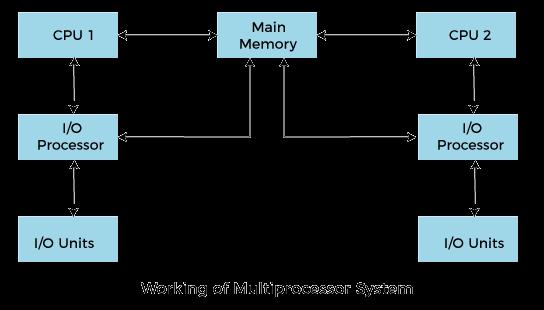
Multiprocessing means the computer has more than one CPU (central processing unit). Each CPU can do its own task, like having more workers in a factory to get more work done. Multicore means one CPU has many cores inside it, like having many workers inside one worker.


The OS for these systems must be smart. It needs to manage tasks and CPUs or cores well. The OS decides which task goes to which CPU or core. This is called scheduling. Good scheduling means the computer runs faster and doesn’t waste time.


A big part of this is process synchronization. Many tasks running at the same time might need to use the same resource, like memory or files. The OS must make sure tasks don’t mess up each other. It uses things like locks and semaphores to control access.


Another part is load balancing. The OS makes sure all CPUs or cores are working evenly. If one CPU does all the work and others do nothing, it’s not efficient. The OS spreads out the tasks so all CPUs or cores get used properly.


Also, the OS needs to handle communication between processes. Tasks often need to talk to each other to get things done. The OS helps them communicate without problems. 


In summary, designing an OS for multiprocessing and multicore systems is about managing many tasks and CPUs or cores. It involves scheduling tasks, synchronizing processes, balancing the load, and helping tasks communicate. This design makes computers more powerful and efficient, letting them handle more work at the same time. Without a good OS, the computer would be slow and messy, like a factory with bad management.



Comments ()


Sign in

Read Next

Navigating the Digital Battlefield: Security Breaches and Effective Countermeasures

Blog banner

Uber

Blog banner

AI and Cyber Security

Blog banner

Every body is beautiful

Blog banner

Music helps reduce stress

Blog banner

security requirements for safe e-payment

Blog banner

Skills An Ethical Hacker Must Have

Blog banner

The Power of Teamwork: Learning Collaboration Through Everyday Activities

Blog banner

Virtual Memory

Blog banner

Service stratergy principles

Blog banner

Smart Homes | Zigbee Alliance

Blog banner

R Programming

Blog banner

Operating system

Blog banner

Importance of Morning Routines for Students During the Festive Season

Blog banner

Improving defences Proxy Device(defense in depth)

Blog banner

A MODERN OPERATING SYSTEM

Blog banner

HR Automation : Need of the hour

Blog banner

The Power of Forensic Watermarking in the Fight Against Content Piracy

Blog banner

Introduction to Solidity Programming for Blockchain Development

Blog banner

How return on investment is defined in IT services

Blog banner

Top 5 Places To Stay And Visit In Berlin, Germany

Blog banner

Have You Explored India Yet?

Blog banner

Top 3 Places To Stay In Vienna

Blog banner

Service Strategy principles

Blog banner

RAID

Blog banner

Threads

Blog banner

Linux -V Server Virtual Machine

Blog banner

Expressing and Measuring Risk (Risk Management)

Blog banner

CSI and Organizational Change

Blog banner

Types of Malware in Cyber Security

Blog banner

First-Order Logic (FOL): The Foundation of Modern Logic

Blog banner

Ethical Hacking

Blog banner

Deadlock and starvation in operating system

Blog banner

Internet of Things and cyber security

Blog banner

IoT Architecture Based Security

Blog banner

SQL Injection practice on DVWA

Blog banner

Threat management

Blog banner

HTML vs HTML5

Blog banner

Deadlock

Blog banner

Embaded operating system

Blog banner

Constrains in service design

Blog banner

MODERN OPERATING SYSTEMS

Blog banner