wisemonkeys logo
FeedNotificationProfileManage Forms
FeedNotificationSearchSign in
wisemonkeys logo

Blogs

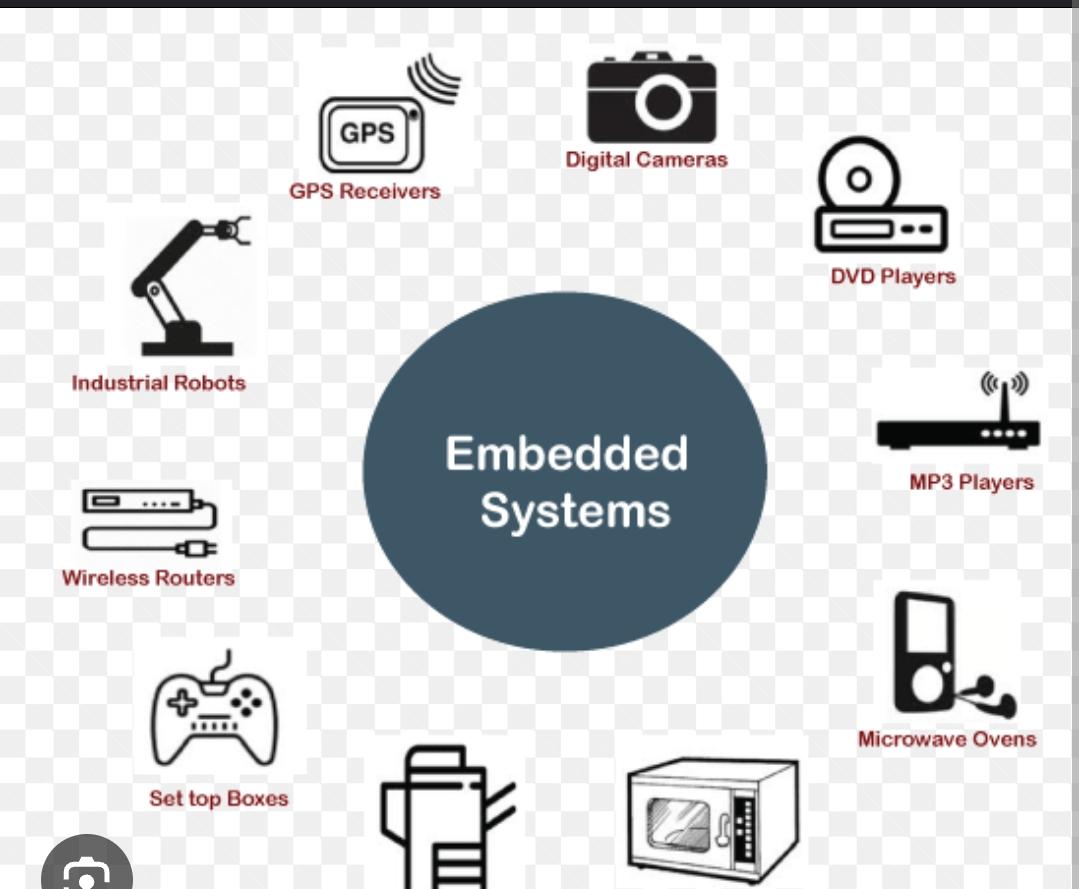
Embaded operating system

profile
Priti Pandav
Jul 29, 2024
0 Likes
0 Discussions
104 Reads

Embaded operating system 

Embedded Operating Systems (EOS) have a rich history spanning over three decades. Here are some key milestones and facts:

*History:*

1. *1970s:* The first embedded systems emerged, using simple operating systems like RTOS (Real-Time Operating System).

2. *1980s:* EOS gained popularity with the introduction of the Intel 8086 processor and the development of OSs like MS-DOS and Xenix.

3. *1990s:* The rise of embedded Linux and the creation of the Embedded Linux Consortium (ELC) marked a significant turning point.

4. *2000s:* The proliferation of mobile devices and IoT (Internet of Things) led to increased adoption of EOS.

*Facts:*

1. *First EOS:* The first EOS was likely the "IBM 1800" (1969), used in process control systems.

2. *Most widely used EOS:* Embedded Linux is the most widely used EOS, with over 50% market share.

3. *RTOS dominance:* Real-Time Operating Systems (RTOS) dominate the EOS market, with over 70% share.

4. *Multitasking:* EOS often support multitasking, allowing multiple tasks to run concurrently.

5. *Real-time capabilities:* EOS prioritize real-time performance, ensuring predictable and reliable operation.

6. *Small footprint:* EOS are designed to be compact, with some systems requiring less than 1 KB of memory.

7. *Customization:* EOS are often customized for specific applications, tailoring the OS to meet unique requirements.

8. *Security:* EOS prioritize security, with features like secure boot, encryption, and access control.

9. *Connectivity:* EOS support various connectivity options, including Wi-Fi, Bluetooth, and Ethernet.

10. *Industry applications:* EOS are used in diverse industries, including automotive, aerospace, healthcare, and consumer electronics.

*Notable EOS:*

1. *VxWorks*

2. *QNX*

3. *FreeRTOS*

4. *Embedded Linux*

5. *Windows Embedded*

6. *ThreadX*

7. *uC/OS*

8. *Zephyr*

These EOS have played significant roles in shaping the embedded systems landscape, enabling the development of innovative and reliable applications.



Comments ()


Sign in

Read Next

Data Science in Healthcare: Predicting Diseases

Blog banner

Service Transition Process in ITSM

Blog banner

Service Operation

Blog banner

Process, process creation and process termination

Blog banner

Stop Racism

Blog banner

Khau Galli – Vile Parle

Blog banner

Fault Tolerance in an Operating System

Blog banner

Mendeley (management software)

Blog banner

File Management

Blog banner

Question

Blog banner

PPT methodology

Blog banner

How to grow followers on Instagram business account?

Blog banner

Safeguarding Your Data: The Importance of Wireless Encryption

Blog banner

A Heartfelt Act of Kindness

Blog banner

BUSINESS MODELS OF E COMMERCE

Blog banner

What is Segmentation?

Blog banner

Social Engineering Attacks

Blog banner

Multicore and Multithreading

Blog banner

Understanding Business Layer in Data Science

Blog banner

File management in os

Blog banner

Linux Memory Management

Blog banner

Modern operating system

Blog banner

Social Media Marketing Trends 2022

Blog banner

Logical and physical address

Blog banner

In the world of Technology...

Blog banner

Paralysis/Paralysis Stroke

Blog banner

Os(Computer security threats)

Blog banner

The art of being alone

Blog banner

Deadlock

Blog banner

Security issues in Sensor Networks and gathering admissible evidence in Network Forensics

Blog banner

Dove’s Real Beauty Campaign- Case Study

Blog banner

DIGITAL ECONOMY

Blog banner

RAID

Blog banner

Jira service Management

Blog banner

The most common internet security threats

Blog banner

Constrained Management in IT

Blog banner

Beatbox

Blog banner

virtual machine

Blog banner

Deadlock in Operating System

Blog banner

Real time scheduling

Blog banner

KAHAWA TEA

Blog banner

Utilizing Data-Hiding and Retrieval Techniques in Cyber Forensics

Blog banner