
Continual Service Improvement (CSI) is a fundamental concept within the Information Technology Infrastructure Library (ITIL) framework, particularly in IT Service Management (ITSM). It emphasizes a structured and iterative approach to improving processes and services to ensure they align with the evolving needs of the business. This approach enables organizations to adapt, innovate, and sustain their relevance in a competitive and dynamic environment.
At its heart, CSI focuses on refining processes and metrics to boost efficiency, effectiveness, and quality. By embracing continuous improvement, organizations can respond to customer expectations and market demands proactively. This adaptability is essential in the fast-paced technological landscape, where businesses must consistently innovate to stay ahead.
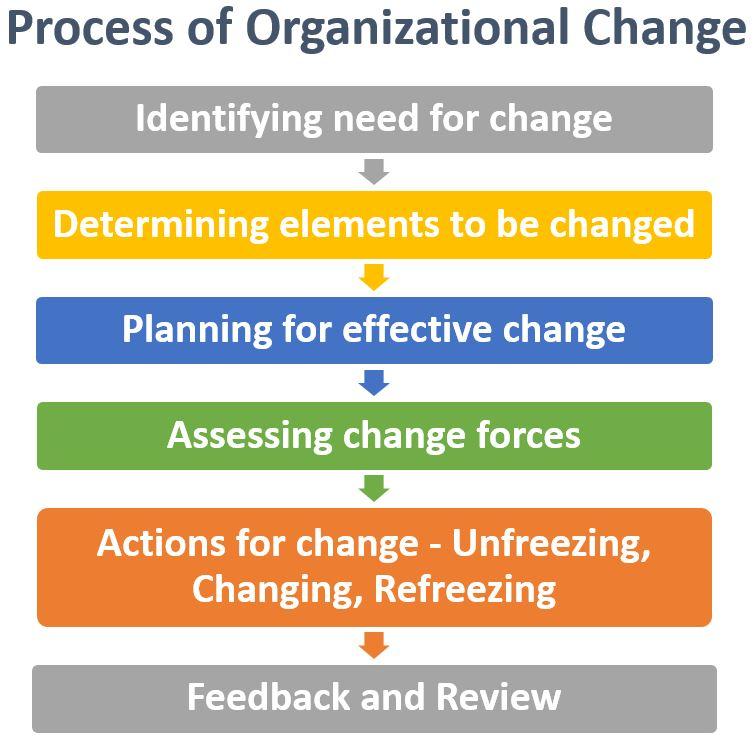
CSI is closely tied to organizational change as it facilitates the assessment, redesign, and enhancement of current workflows and practices. These changes aim to deliver value to both the organization and its stakeholders. However, driving such change is often challenging because it disrupts familiar routines and behaviors. Employees may resist adapting to new methods or technologies, particularly if the benefits are not clearly communicated.
To successfully implement CSI, organizations must address both the technical and human aspects of change. Communication is key—employees need to understand how the proposed improvements will streamline their work, enhance efficiency, and deliver better outcomes. Engaging stakeholders and fostering inclusivity throughout the process helps build trust and acceptance, ensuring a smoother transition to improved practices.
CSI operates within the widely recognized Plan-Do-Check-Act (PDCA) cycle, a methodology that ensures systematic and consistent improvement:
By adhering to this framework, organizations can address inefficiencies methodically and achieve meaningful growth. Key benefits of CSI include:
Despite its advantages, implementing CSI comes with challenges. Resistance to change is a significant obstacle, as employees may be reluctant to adopt new workflows. Additionally, organizations may struggle to maintain alignment between individual improvement efforts and overarching business strategies.
To mitigate these challenges, leaders must take an active role in promoting CSI initiatives. They should clearly articulate the vision and benefits of improvements, provide adequate training, and ensure that all stakeholders are involved in the process. Establishing a culture of continuous learning and adaptability is also crucial for sustaining long-term improvement.
Continual Service Improvement is an essential component of ITIL and ITSM, enabling organizations to evolve and refine their processes to meet changing business needs. While its implementation can be complex, particularly due to resistance to change, a structured approach and strong leadership can ensure success. By embedding CSI into their culture and operations, organizations can foster innovation, resilience, and sustainable growth, maintaining their competitiveness in an ever-changing business landscape.