wisemonkeys logo
FeedNotificationProfileManage Forms
FeedNotificationSearchSign in
wisemonkeys logo

Blogs

Paginng In OS

profile
ANUJ YADAV
Sep 08, 2024
0 Likes
0 Discussions
81 Reads

                         Paging in Operating Systems

Paging is a memory management scheme used by operating systems to eliminate the problem of fitting varying-sized processes into fixed-sized memory spaces. It allows a process's physical memory to be non-contiguous, effectively avoiding fragmentation and ensuring efficient use of memory.


How Paging Works :

Logical and Physical Memory Separation :

Paging separates the logical address space (the addresses used by programs) from the physical address space (the actual addresses in RAM). This means a program’s memory can be scattered across different locations in physical memory, while still appearing contiguous to the program itself.


Pages and Frames


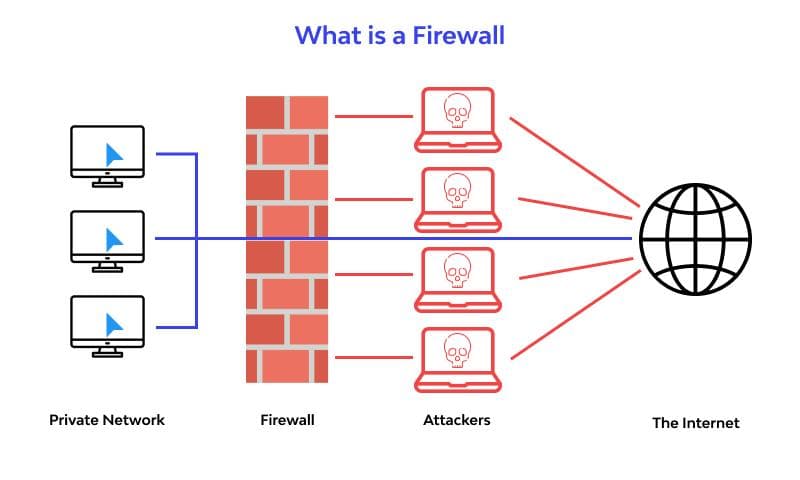
Pages: The process’s logical memory is divided into fixed-sized blocks called pages.

Frames: The physical memory is also divided into blocks of the same size as the pages, called frames.

The OS loads pages from the logical address space into available frames in the physical address space.

Page Table

The operating system maintains a page table for each process. This table maps the logical pages to their corresponding frames in physical memory. When a program references a memory address, the CPU uses the page table to translate the logical address into a physical address.


Address Translation

Every memory access by a program involves two components: the page number and the page offset.


The page number identifies the specific page in the page table.

The page offset is the exact location within the page.

The operating system uses this information to find the corresponding physical address in the frame.



Comments ()


Sign in

Read Next

Top 5 Benefits of Artificial Intelligence

Blog banner

Install Ubuntu in Vmware

Blog banner

Threat management

Blog banner

SESSION HIJACKING

Blog banner

I/O Buffering

Blog banner

THE INPACT OF SOCIAL MEDIA!

Blog banner

Basic Security For SOAP Services

Blog banner

Trello ( management software)

Blog banner

Data-Driven Prediction of Virtual Item Prices in Online Games

Blog banner

EVOLUTION OF THE MIRCOPROCESSOR

Blog banner

Analysis of Digital Evidence In Identity Theft Investigations

Blog banner

Modern operating system

Blog banner

Sensory Play for Toddlers: Boosting Curiosity Through Touch, Sound, and Colour

Blog banner

Interrupts in OS

Blog banner

Race Conditions

Blog banner

From Model Mistakes to Metrics

Blog banner

“CONSISTENCY” in Social Media Marketing

Blog banner

How to tie a Tie

Blog banner

MUTUAL EXCLUSION

Blog banner

DMZ: Your Secret Weapon for Data Security

Blog banner

Decoding Confusion Matrix

Blog banner

Why Festivals Are the Best Classrooms for Young Minds?

Blog banner

Cache memory

Blog banner

Life

Blog banner

GIS REMOTE SENSING

Blog banner

MORDERN UNIX SYSTEM

Blog banner

10 Unknown facts about India's Independence

Blog banner

Memory hierarchy

Blog banner

PROCESS STATES OF OPERATING SYSTEM

Blog banner

Security requirements for Safe E-Payments

Blog banner

File Management system

Blog banner

Smart Shoephone: Is that technology overdose!?

Blog banner

Importance of Website

Blog banner

What Function Does SEO Serve in Digital Marketing?

Blog banner

What's Better : Supervised or Unsupervised Learning

Blog banner

5 Common Faults In Construction Tenders

Blog banner

Memory management

Blog banner

Internet of Things

Blog banner

Khau Galli – Vile Parle

Blog banner

Twisted world

Blog banner

Protect yourself from System Hacking with these Simple Steps

Blog banner

Place to visit in pune

Blog banner