Business Layer in Data Science
1. Introduction:
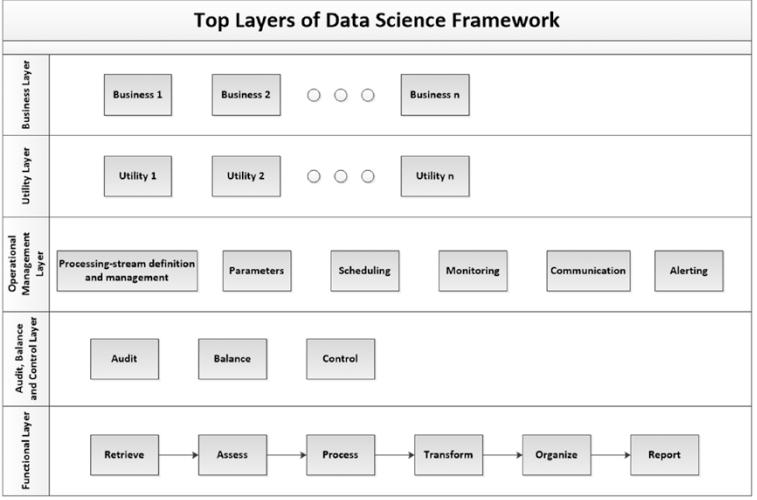
Business layer data science framework mein pehla aur bahut hi zaroori hissa hota hai. Iska role hai data science techniques aur tools ko business ke objectives ke saath align karna. Basically, yeh layer wo point hai jahan data science ka kaam shuru hota hai, aur iska main focus hota hai ki kaise data ko use karke business objectives ko achieve kiya jaye. Is layer ke through, business ko insights milti hain jo unke decision-making process mein madad karti hain.
2. Understanding Business Requirements::
Business layer mein sabse pehla step hota hai business requirements ko samajhna. Data science team ko ye samajhna bahut zaroori hai ki business ka asli objective kya hai. Kya company ko apni sales badhani hai? Ya phir customer satisfaction improve karna hai? Jab tak team ko clear nahi hoga ki business ko kya chahiye, tab tak wo sahi data aur techniques ka use nahi kar sakti.
3. Data Collection and Processing:
Jab business requirements clear ho jati hain, toh agla step hota hai data collection aur processing ka. Business layer mein wahi data collect kiya jata hai jo business ke liye relevant ho. Fir us data ko clean kiya jata hai, usmein se unnecessary information ko remove kiya jata hai aur analysis ke liye ready kiya jata hai. Data ka ye processing step crucial hota hai kyunki accurate aur clean data se hi accurate results milte hain.
4. Model Development:
Data ko process karne ke baad, data science team models develop karti hai jo business objectives ko fulfill kar sake. Yeh models predictions, recommendations, ya insights generate kar sakte hain jo business ke liye directly useful hote hain. For example, ek model predict kar sakta hai ki kaunsa product next month zyada sell hoga ya phir kis customer segment mein marketing zyada effective hogi.
5. Business Insights:
Models se jo bhi results aate hain, unhe business insights mein convert kiya jata hai. Ye insights business ke decision-making process mein madad karte hain. For example, agar model ne predict kiya ki ek certain product ki demand badhne wali hai, toh business us product ka stock increase kar sakta hai.
6. Implementation:
Insights milne ke baad, unhe business processes mein implement karna hota hai. Business layer ensure karti hai ki data se jo bhi valuable information mili hai, uska use karke business strategies ko improve kiya jaye aur growth achieve kiya jaye.
7. Monitoring and Feedback:
Business layer ka ek aur important aspect hai monitoring aur feedback. Implemented solutions ka impact kya hai, wo check karna hota hai. Agar kuch changes ki zarurat ho, toh uska feedback lena aur uske basis par improvements karna bhi isi layer ka kaam hota hai.
8. Communication:
Communication bhi business layer ka ek major part hai. Data science team ko apne findings aur insights ko business stakeholders ke saath clear aur effective tarike se share karna hota hai. Taki unhe samajh aaye aur wo apne business decisions accordingly le sakein.
9. Ethics and Compliance:
Business layer mein ethics aur compliance ka dhyan rakhna bhi zaroori hai. Data ka use karte waqt privacy rules aur regulations ko follow karna padta hai. Agar yeh aspects neglect kiye gaye toh business ka trust aur reputation dono risk pe aa sakte hain.
10. Conclusion:
In short, business layer data science aur business objectives ke beech ek bridge ka kaam karti hai. Effective business layer ke bina, data science ke efforts business ke liye valuable nahi ban sakte. Is layer ke through hi business growth aur success achieve kiya ja sakta hai