
Electronic evidence in cyber forensics is the process of collecting, preserving, analyzing, and presenting digital data that can be used to prove or disprove a cybercrime.
Electronic evidence can be found in various devices, such as computers, smartphones, tablets, hard drives, flash drives, memory cards, CDs, DVDs, etc.
Electronic evidence can also be stored in online platforms, such as email accounts, social media profiles, cloud services, etc.
Some examples of electronic evidence are:
- Files, folders, documents, images, videos, audio, etc. that are stored in a device or online.
- Metadata, such as file names, dates, sizes, locations, etc. that provide additional information about the data.
- Logs, such as browsing history, cookies, cache, etc. that record the user's online activities.
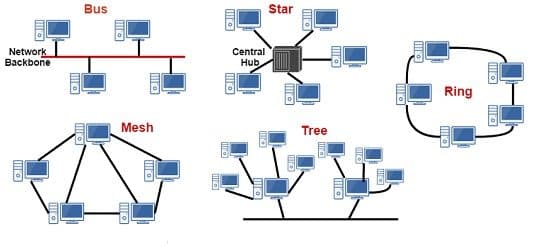
- Network data, such as IP addresses, MAC addresses, packets, etc. that identify the source and destination of the data transmission.
- Digital signatures, encryption, passwords, etc. that protect the data from unauthorized access or modification.
However, electronic evidence also faces challenges, such as alteration, deletion, corruption, tracing, locating, accessing, legal standards, rules, procedures, and technological changes.
Therefore, cyber forensics experts need to use tools, techniques, methods, and standards to collect, preserve, analyze, and present electronic evidence reliably and admissibly.
Some of these tools, techniques, and methods are:
- Forensic software, such as EnCase, FTK, Autopsy, etc. that can extract, recover, or analyze data from various sources and formats.
- Forensic hardware, such as write blockers, duplicators, imagers, etc. that can prevent or minimize the alteration or damage of the data during the acquisition process.
- Forensic procedures, such as chain of custody, documentation, verification, etc. that can ensure the integrity, authenticity, and continuity of the evidence from the crime scene to the court.
- Forensic standards, such as ISO, NIST, SWGDE, etc. that can provide guidelines, best practices.
Electronic evidence can help to solve, prevent, or deter cybercrimes and to protect the rights, interests, and security of the individuals, organizations, and society.
Reference: