Introduction
In a world dominated by technology, the need for robust cybersecurity measures is more pressing than ever. As we navigate through an ever-expanding digital landscape, understanding the intricate operations of Computer Forensic Laboratories becomes paramount. This article will delve into the fundamental aspects of these laboratories, unraveling the complexities and shedding light on their indispensable role in safeguarding digital integrity.
First, let's meet the skilled individuals who navigate this intricate world. Computer forensic examiners are the digital Sherlocks, meticulously collecting and analyzing electronic evidence from various devices like computers, smartphones, and storage drives. They possess a deep understanding of operating systems, data storage techniques, and recovery methods, enabling them to extract hidden files, emails, and browsing history, even if deleted.
Alongside them are cybersecurity specialists, who bring expertise in network security, malware analysis, and intrusion detection. They help identify the tools and techniques used by attackers, providing crucial context to the investigation. Incident responders are the frontline heroes who secure compromised systems and minimize damage, preserving evidence for further analysis.
These professionals work collaboratively, leveraging their unique skillsets to paint a comprehensive picture of the digital crime scene.
The Essence of Computer Forensics
Defining Computer Forensics:
Computer forensics goes beyond mere code deciphering; it's the meticulous art of piecing together a digital puzzle left behind by cyber threats. Imagine it as the Sherlock Holmes of the digital realm, solving cybercrimes and ensuring a secure online environment.
The Role of Forensic Experts:
The backbone of every successful forensic investigation lies in the expertise of forensic professionals. These individuals possess a unique blend of technological prowess and analytical skills, crucial for unraveling the intricacies of digital misconduct. Their role is pivotal in deciphering evidence, ensuring its admissibility in court, and ultimately securing justice.
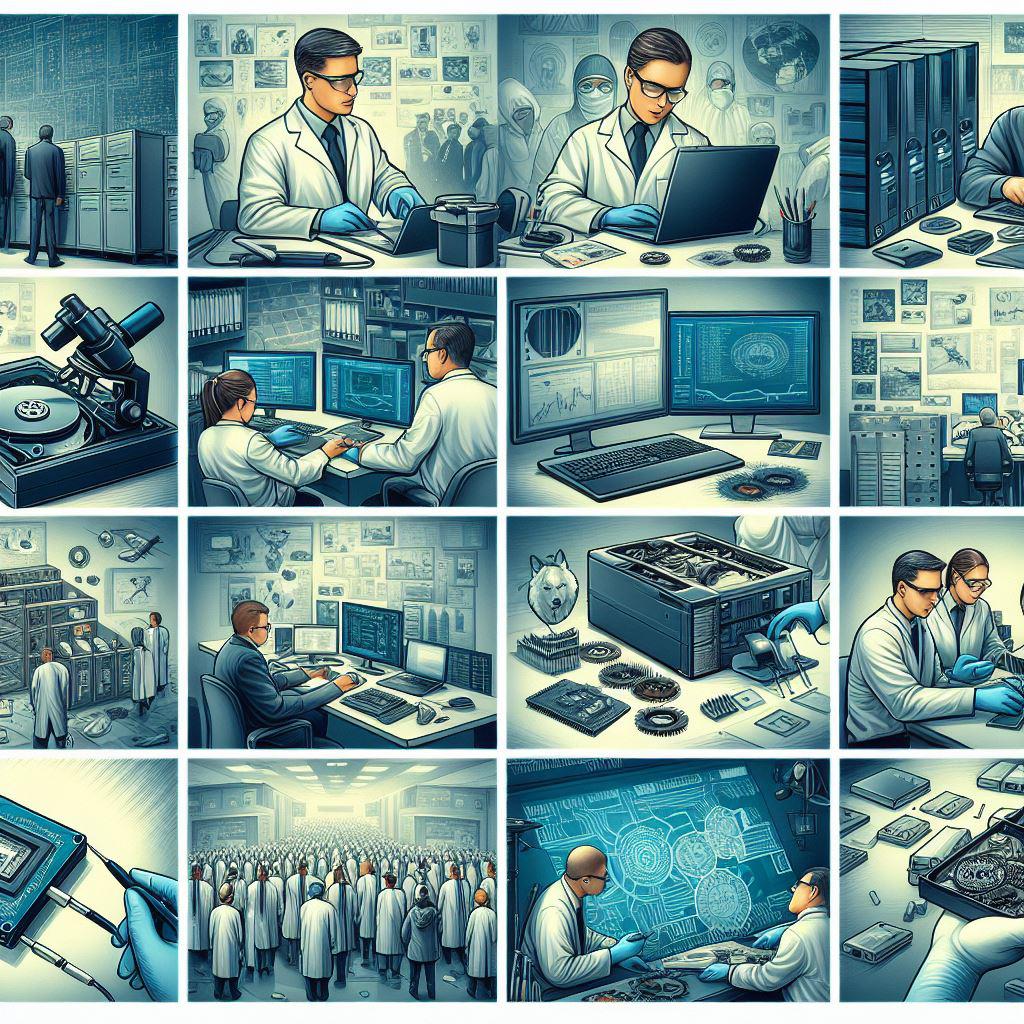
Imagine a high-tech workbench filled with specialized tools – that's a computer forensic lab in essence. Some key players include:
These tools, combined with the examiner's expertise, unlock the hidden stories within digital evidence.
Navigating the Laboratory Landscape
Cutting-Edge Technologies:
Computer Forensic Laboratories are equipped with state-of-the-art technologies mirroring the sophistication of cyber threats. From advanced data recovery tools to specialized software for malware analysis, these laboratories harness the power of technology to stay one step ahead of digital adversaries.
Forensic Imaging and Analysis:
At the heart of every forensic investigation lies the meticulous process of forensic imaging. This involves creating a bit-by-bit copy of a digital device, ensuring that no data is altered or lost during the investigation. Subsequently, forensic analysis comes into play, where experts scrutinize every fragment of data to unveil the truth hidden within.
Advanced Techniques in Forensic Analysis
The forensic analysis is not a mere surface-level scrutiny; it involves advanced techniques like timeline analysis, hash matching, and signature analysis. These methods enhance the precision of investigations, ensuring a thorough examination of digital evidence.
While technology plays a crucial role, the legal landscape significantly impacts how evidence is handled. Chain of custody protocols meticulously document every step of evidence handling, ensuring its authenticity and admissibility in court. Data privacy regulations add another layer of complexity, demanding careful consideration of user rights and data protection.
Forensic examiners must navigate these legal and ethical constraints, striking a delicate balance between uncovering the truth and respecting individual privacy.
Challenges in the Digital Realm
Encryption Dilemmas:
As technology evolves, so do the challenges faced by Computer Forensic Laboratories. The rise of encryption technologies poses a formidable obstacle, requiring forensic experts to develop innovative strategies to crack the code and access crucial information securely.
Countermeasures Against Encryption
Forensic experts employ countermeasures such as brute force attacks, cryptographic analysis, and collaboration with cybersecurity experts to overcome encryption hurdles. This constant battle of wits between forensic professionals and cybercriminals underscores the dynamic nature of their work.
Data Overload:
In the vast expanse of the digital world, the sheer volume of data can be overwhelming. Forensic experts must navigate through this sea of information, identifying relevant evidence while disregarding the noise. This demands not just technical proficiency but also a keen sense of intuition.
Machine Learning in Data Analysis
To cope with data overload, Computer Forensic Laboratories increasingly incorporate machine learning algorithms. These algorithms assist in pattern recognition, anomaly detection, and data categorization, streamlining the analysis process and enhancing the efficiency of forensic investigations.
The Human Element in Forensics
Legal and Ethical Considerations:
Beyond the realms of technology, Computer Forensic Laboratories operate within a framework of legal and ethical guidelines. Forensic experts must tread carefully, ensuring that their investigations adhere to privacy laws and ethical standards, maintaining the integrity of the evidence collected.
Legal Expertise in Forensic Investigations
Forensic experts often collaborate with legal professionals to navigate the complex legal landscape. Their understanding of digital evidence admissibility, chain of custody, and court procedures ensures that the evidence stands up to scrutiny in legal proceedings.
Continuous Learning and Adaptation:
In the dynamic landscape of cybersecurity, stagnation is not an option. Forensic professionals undergo continuous training to stay abreast of emerging threats, evolving technologies, and changing legal landscapes. This adaptability is crucial in ensuring the efficacy of their investigations.
Collaboration and Knowledge Sharing
Computer Forensic Laboratories actively participate in knowledge-sharing networks and collaborate with academia and industry. This collaborative approach fosters a collective resilience against cyber threats and facilitates the exchange of best practices and innovative techniques.
To truly understand the intricacies of computer forensics, let's delve into real-world scenarios:
These cases showcase the diverse applications of computer forensics, highlighting its critical role in uncovering the truth in the digital age.
As technology evolves, so too does the world of computer forensics. Emerging trends like cloud computing, mobile forensics, and the Internet of Things (IoT) present new challenges and opportunities. Forensic professionals must constantly adapt their skillsets and embrace new technologies to stay ahead of the curve.
From artificial intelligence-powered analysis to advanced data recovery techniques, the future of forensics promises exciting advancements that will further enhance the fight against cybercrime.
In the pursuit of truth within the digital labyrinth, Computer Forensic Laboratories stand as guardians of integrity. As we embrace the boundless possibilities of technology, understanding the basic operations of these laboratories becomes not just a matter of interest but a necessity. The complexities they face and the solutions they provide underscore their indispensable role in safeguarding our digital future.
Computer forensic laboratories are more than just rooms filled with gadgets and screens. They are hubs of collaboration, meticulous analysis, and the pursuit of truth in the digital realm. By understanding their operations, we gain a deeper appreciation for the complex and crucial role they play in our increasingly digital world.
This blog has merely scratched the surface of this fascinating field. As technology continues to evolve, the world of computer forensics will undoubtedly face new challenges and opportunities. However, one thing remains constant: the dedication of these digital detectives to unlock the secrets hidden within, ensuring justice prevails in the ever-evolving digital landscape.