wisemonkeys logo
FeedNotificationProfileManage Forms
FeedNotificationSearchSign in
wisemonkeys logo

Blogs

What is a Dumpster Diving Attack?

profile
Shifa Khan
Sep 20, 2022
2 Likes
0 Discussions
271 Reads

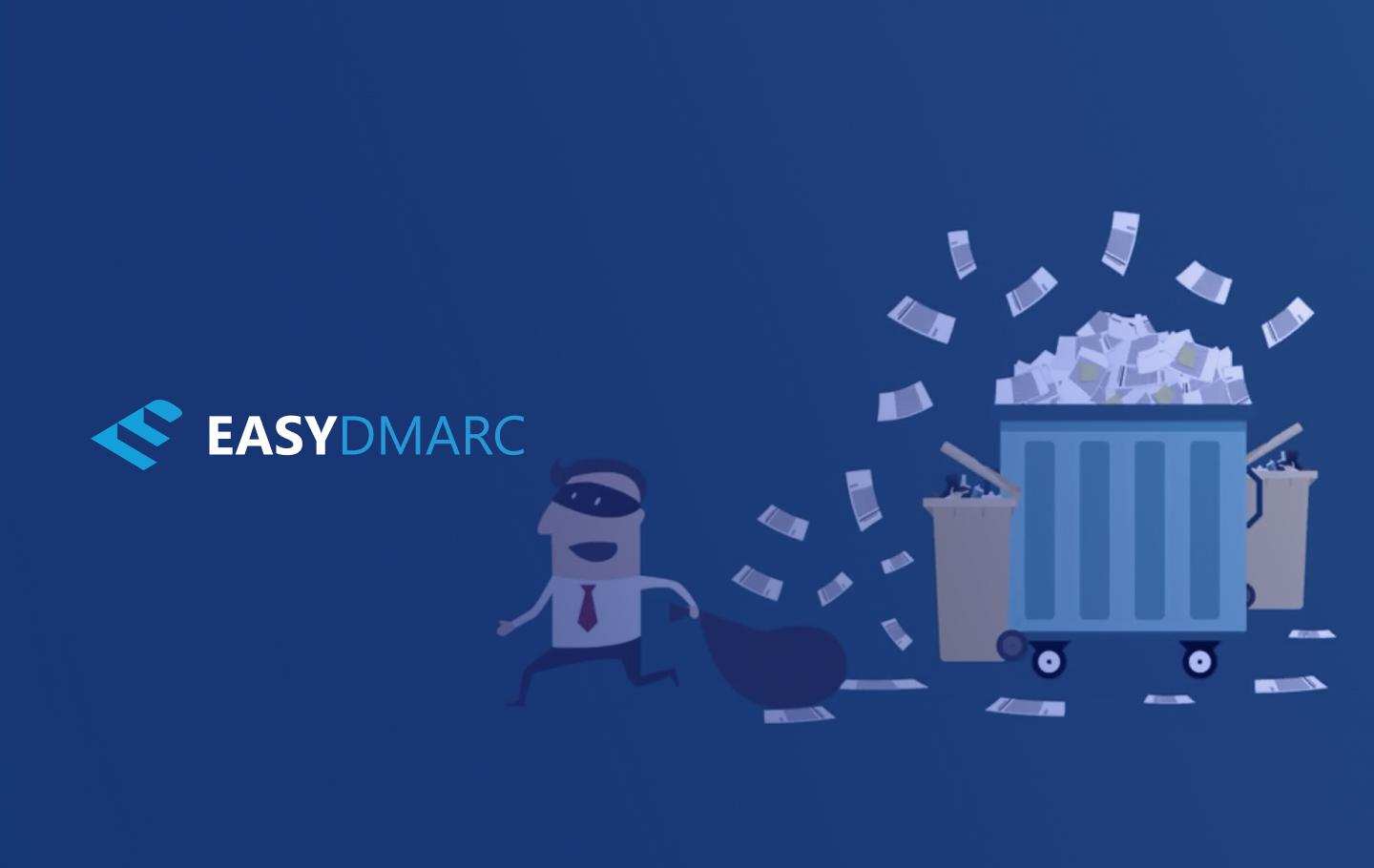
A dumpster diving attack is a type of cyber attack made possible by searching through the victim’s trash. While you might be imagining a messy and filthy scenario where a person dives into a dumpster, the reality is less unsanitary. In a dumpster diving attack, threat actors could be in and out of the dumpster in a matter of minutes. But they may already have their hands on a box full of confidential documents, storage devices, and workstations.


What Data Can Dumpster Drivers Obtain?

You would be surprised at the amount of information about you, your life, or your company in your trash. Think about the last time you threw your credit card statement. Did you shred it? How about the medical laboratory result from your previous visit to the doctor?

Among the data that dumpster drivers can get from searching through your trash are:

  1. Phone numbers of family members, friends, customers, and business associates
  2. Access codes and passwords written on an innocent notepad
  3. Credit card and bank account numbers
  4. Blueprints of product designs
  5. Printed drafts of business plans
  6. Calendars and to-do lists for previous days
  7. CDs, DVDs, and other portable storage devices

Any of the above information can be used to gain access to your home or work network. Notepads that contain passwords and access codes are the most valuable. However, most of us have learned to discard these items without a thought for security.


How to Protect Yourself from Dumpster Diving Attacks

The success of dumpster diving attacks can be traced back to lack of security knowledge. If people knew how an attacker could use the data on a piece of paper, they wouldn’t throw it without shredding.

Therefore, the most effective way to protect yourself and your organization from dumpster diving attacks is education. Learn to distinguish between confidential and public records.

For organizations, including disposal management in your overall security policy could provide clear guidelines on how sensitive data from your trash can stay protected. For example, the policy may dictate that all papers should be shredded before disposal. Storage devices, on the other hand, have to be cleaned of all data.



Comments ()


Sign in

Read Next

How return on investment is defined in IT services

Blog banner

STARVATION

Blog banner

Ubiquitous Computing

Blog banner

Electronic Evidence in Cyber Forensics

Blog banner

Virtual machine and virtualizing

Blog banner

Install Ubuntu Easily

Blog banner

Cloud Computing: Threats and Vulnerabilities

Blog banner

Smartphone Security: Vulnerabilities and Attacks

Blog banner

BIRYANI ! The history you never knew about

Blog banner

Apache Spark :- Powerful Data Processing Tool

Blog banner

Web Site

Blog banner

What is a geographic information system (GIS)?

Blog banner

Deadlock and starvation

Blog banner

How to Run your First android App

Blog banner

Mobile Security

Blog banner

10 Signs That Prove YOU are his FIRST priority.

Blog banner

Modern Operating System - Khush bagaria

Blog banner

american greatines

Blog banner

GOOGLE

Blog banner

10 Survival Tips that might save your life

Blog banner

Cryptanalysis tool

Blog banner

Spotify

Blog banner

Different memory allocation strategies

Blog banner

Some facts about Technology

Blog banner

MAHAKAL LOK UJJAIN

Blog banner

Oracle Corporation

Blog banner

Raid

Blog banner

CYBER FORENCIS: PAST, PRESENT AND FUTURE.

Blog banner

WHAT IS SNAPCHAT AND HOW DOES IT WORK?

Blog banner

ACHIEVEMENTS IN OPERATING SYSTEMS

Blog banner

Impacts of Data Breach On Companies Challenges and Prevention

Blog banner

Android Application Components and Activity Lifecycle

Blog banner

Deadlock in Operating System

Blog banner

Uniprocessor Scheduling

Blog banner

Diwali

Blog banner

Safeguarding Your Data: The Importance of Wireless Encryption

Blog banner

Web browser forensics:Tools,Evidence collection and analysis

Blog banner

Raid

Blog banner

HACKING MOBILE PLATFORM

Blog banner

Social Media.

Blog banner

Top 5 Post-Wedding Skin Care Tips

Blog banner

DNS Cache

Blog banner