wisemonkeys logo
FeedNotificationProfileManage Forms
FeedNotificationSearchSign in
wisemonkeys logo

Blogs

memory management

profile
Darshan Tank
Jul 03, 2024
0 Likes
0 Discussions
90 Reads

                                              memory management

Memory management is a vital and complex operating system task. It enables running multiple processes simultaneously without any interruptions. In operatinh systems, memory management is the function responsible foe managing the computer's primary memory. Memory management is the process os controlling and coordinating a computre's main memory. It ensures that blocks os memory space are proely managed and allocated so the porating system and other runing processes have the memory they need to carry out their poerations. Knowing how memory management in poerating systeam works is crucial for system stability and imroving system performance.

The memory management function keeps track of the status of each memory location, either allocated or free. It determines how memory is allocated among cometing processes, deciding wnich gets memory, when they receive it, and how much they are allowed. When memory is allocated it determines which memory locations will be assigned. It tracks when memory is freed or unallocated and upates the ststus.

To achieve a degree of multiprogramming and proer utilization of  memory , memory management is important.many memory methods exist, reflecting various approaches, and the effectiveness of each algorithm depends on the situation.

Efficient memory management depends on two factors:

  1.  Memory unit  organization:

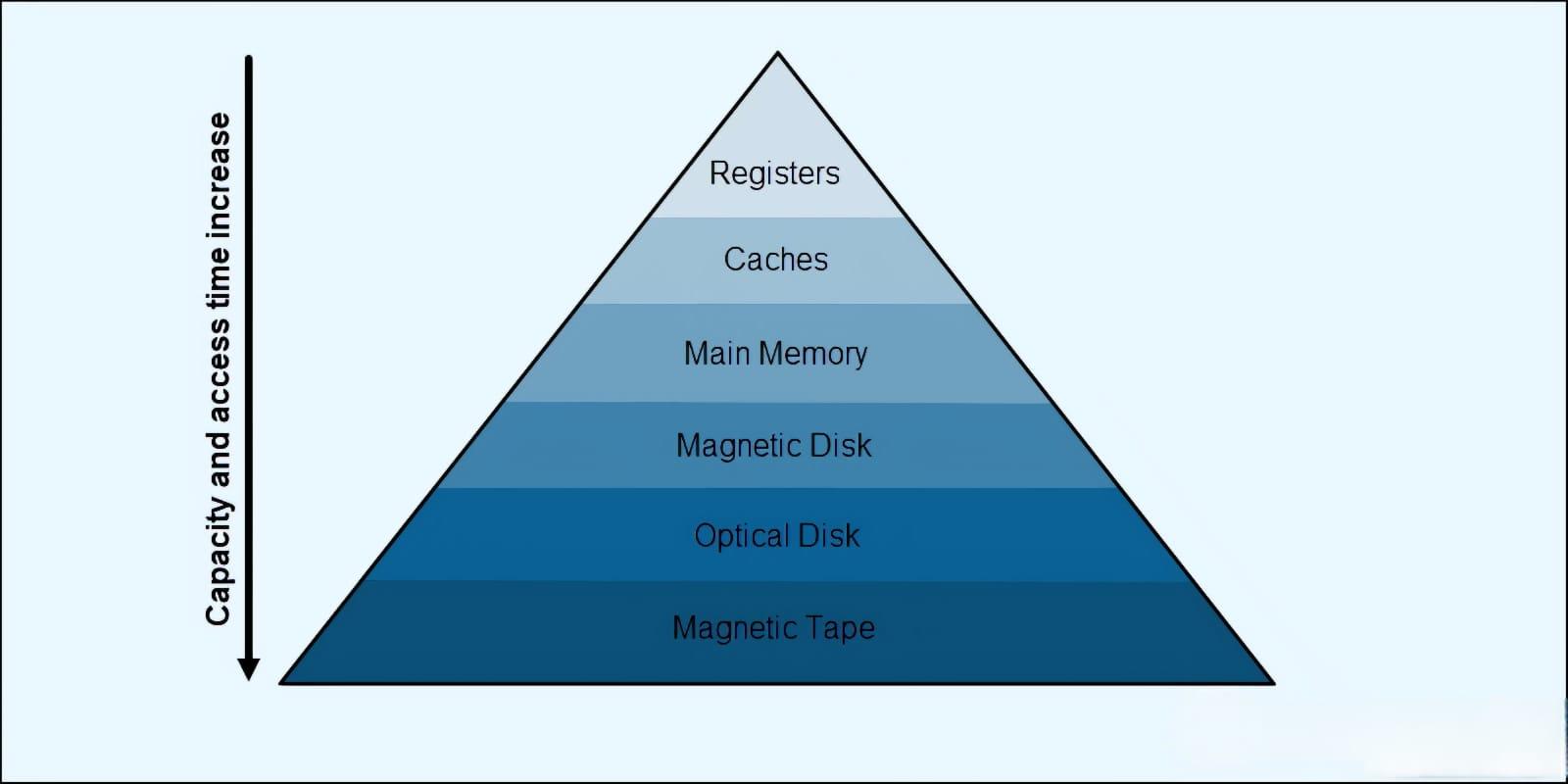
Several different memory types make up the memory unit. A computer's memory hierarchy and organization affect data speed and storage size. Faster and smaller caches are closer to the cpu, while larger and slower memory is further away.

      2. memory access:

The cpu regularly accesses data  stored in memory. Efficient memory access infiuences how fast a cpu complettes tasks and becomes available foe new tasks. Memory access involves with addresses and defining access rules across memory levels.


Memory management balances tradeoffs between speed,size,and power use in a computer. Primary memeory allows fast access but no permanent storage. on the other hand, secondary memory is slower but offers permanent storage.

 

Comments ()


Sign in

Read Next

Big Data Architecture

Blog banner

semaphores

Blog banner

OS PROCESS DESCRIPTION AND CONTROL-SARVAGYA JALAN

Blog banner

File management in os

Blog banner

10 Unsolved Mysteries all over the world

Blog banner

bulk email software

Blog banner

Deadlock

Blog banner

IOT Hacking Techniques

Blog banner

PHONE TECHNOLOGY

Blog banner

Fault Tolerance

Blog banner

It's all about our Brain.- The Brain Metaphor

Blog banner

History of ITIL

Blog banner

PYTHON

Blog banner

LEMON PICKLE (NIMBU KA ACHAR)

Blog banner

Modern Operating System

Blog banner

Big Data

Blog banner

Cache Memory

Blog banner

Disk cache

Blog banner

Session Vulnerabilities

Blog banner

VIRTUAL MACHINE

Blog banner

Teamwork

Blog banner

The Peephole

Blog banner

E-learning

Blog banner

Modern Operating Systems

Blog banner

Natural Language Processing(NLP)

Blog banner

The Art of Slow Fashion: Why Patola Defines Sustainable Luxury

Blog banner

A Review on Data Acquisition in Cyber Forensics

Blog banner

objectives and function of operating system

Blog banner

RAID_142

Blog banner

MEMORY MANAGEMENT REQUIREMENT

Blog banner

Question

Blog banner

Operation system

Blog banner

38_Network Sniffing Techniques_SBC

Blog banner

Concurrency management in operating systems

Blog banner

Raid and levels of raid.

Blog banner

Modern Operating system

Blog banner

Modern Operating Systems.

Blog banner

What is thread and multithreading ?

Blog banner

Synchronization

Blog banner

Kernel in Operating System

Blog banner

TRIGGERS IN DATABASE

Blog banner

Cyber Laws In India and Around the World

Blog banner