Introduction:
- Mental health issues like depression, anxiety, stress are growing worldwide.
- Early detection is very important, but many people avoid going to doctors due to stigma or lack of awareness.
What is Mental Health Prediction in Data Science?
- Using data-driven methods to identify patterns related to mental health conditions.
- Predicts the risk of disorders like depression, anxiety, stress, or burnout.
- Helps in early intervention and personalized treatment.
How Does It Work?
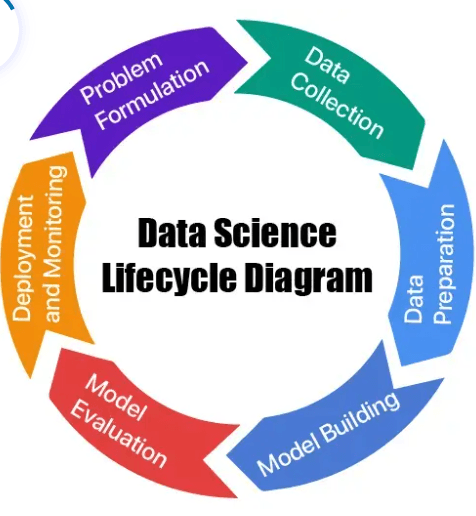
- Data Collection: Social media posts, surveys, wearable devices (sleep, heart rate), electronic health records.
- Preprocessing: Cleaning and organizing the data.
- Machine Learning Models: Algorithms like logistic regression, decision trees, random forests, or deep learning predict mental health risks.
- Prediction & Insights: Model outputs help identify individuals who may need support.
Applications
- Early Diagnosis: Predict risk of depression or anxiety before it becomes severe.
- Chatbots & Apps: AI-based apps provide mental health support (e.g., mood tracking).
- Social Media Analysis: Detecting signs of stress, loneliness, or suicidal thoughts through posts and activity.
- Healthcare Systems: Supporting doctors with predictive tools for better treatment plans.
Benefits
- Early detection: Helps prevent severe mental health issues.
- Cost-effective: Reduces hospital visits by providing quick predictions.
- Reduces stigma: Apps and online tools allow people to seek help privately.
- Supports professionals: Assists doctors, therapists, and researchers with insights.
Challenges
- Privacy concerns: Mental health data is very sensitive.
- Bias in data: If training data is unbalanced, predictions may be unfair.
- Over-reliance on algorithms: Cannot fully replace human judgment.
- Data quality: Social Media or survey data may not always reflect true conditions.
- Ethical issues: Need to ensure responsible use of predictions.
Future Trends
- Wearable devices + AI: Real-time monitoring of stress, sleep, and mood.
- Integration with telemedicine: Predictive tools in online consultations.
- Advanced deep learning: More accurate predictions from large datasets.
- Global awareness: Data-driven mental health solutions in schools, workplaces, and communities.
Conclusion
- Data Science is becoming a powerful ally in predicting and managing mental health.
- It enables early diagnosis, better treatment, and reduced stigma.
- With improvements in privacy and ethical practices, it can transform how society deals with mental health challenges.