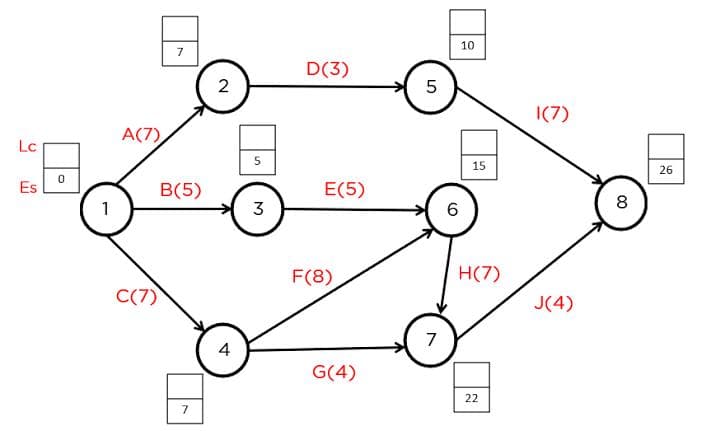
The principle of concurrency refers to the ability of a system to execute multiple tasks or processes concurrently, or simultaneously. Concurrency is a fundamental concept in computer science and plays a crucial role in designing and developing efficient and responsive systems.
Here are some key principles related to concurrency:
Parallelism: Concurrency often involves executing multiple tasks in parallel. Parallelism is the ability to perform multiple operations simultaneously, leveraging multiple processing units or cores. It allows for efficient utilization of system resources and can significantly improve the performance of computationally intensive tasks.
Independence: Concurrent tasks should be as independent of each other as possible. This means that the execution of one task should not rely on or affect the execution of other tasks. By minimizing dependencies, it becomes easier to achieve parallel execution and avoid potential conflicts or bottlenecks.
Synchronization: In situations where concurrent tasks need to access shared resources or communicate with each other, synchronization mechanisms are necessary. Synchronization ensures that access to shared resources is properly coordinated, preventing data races or inconsistencies. Common synchronization mechanisms include locks, semaphores, and barriers.
Deadlock avoidance: Deadlock occurs when two or more concurrent tasks are blocked indefinitely, waiting for each other to release resources. To avoid deadlock, systems need to employ strategies such as resource allocation, resource ordering, or using timeouts and deadlock detection algorithms.
Scalability: Concurrency enables systems to scale and handle increasing workloads by dividing tasks among multiple threads, processes, or distributed systems. Designing systems with scalability in mind allows for better performance and responsiveness as the workload grows.
Performance trade-offs: Concurrent execution introduces overhead in terms of synchronization, context switching, and communication between tasks. Designers need to carefully balance the benefits of concurrency with the associated costs. It requires considering factors such as task granularity, system architecture, and workload characteristics to achieve the desired performance improvements.
Overall, the principle of concurrency emphasizes the efficient and coordinated execution of multiple tasks, ensuring responsiveness, scalability, and effective resource utilization in computing systems