wisemonkeys logo
FeedNotificationProfileManage Forms
FeedNotificationSearchSign in
wisemonkeys logo

Blogs

Virtual memory in os

profile
Disha Parekh
Aug 14, 2024
0 Likes
0 Discussions
129 Reads

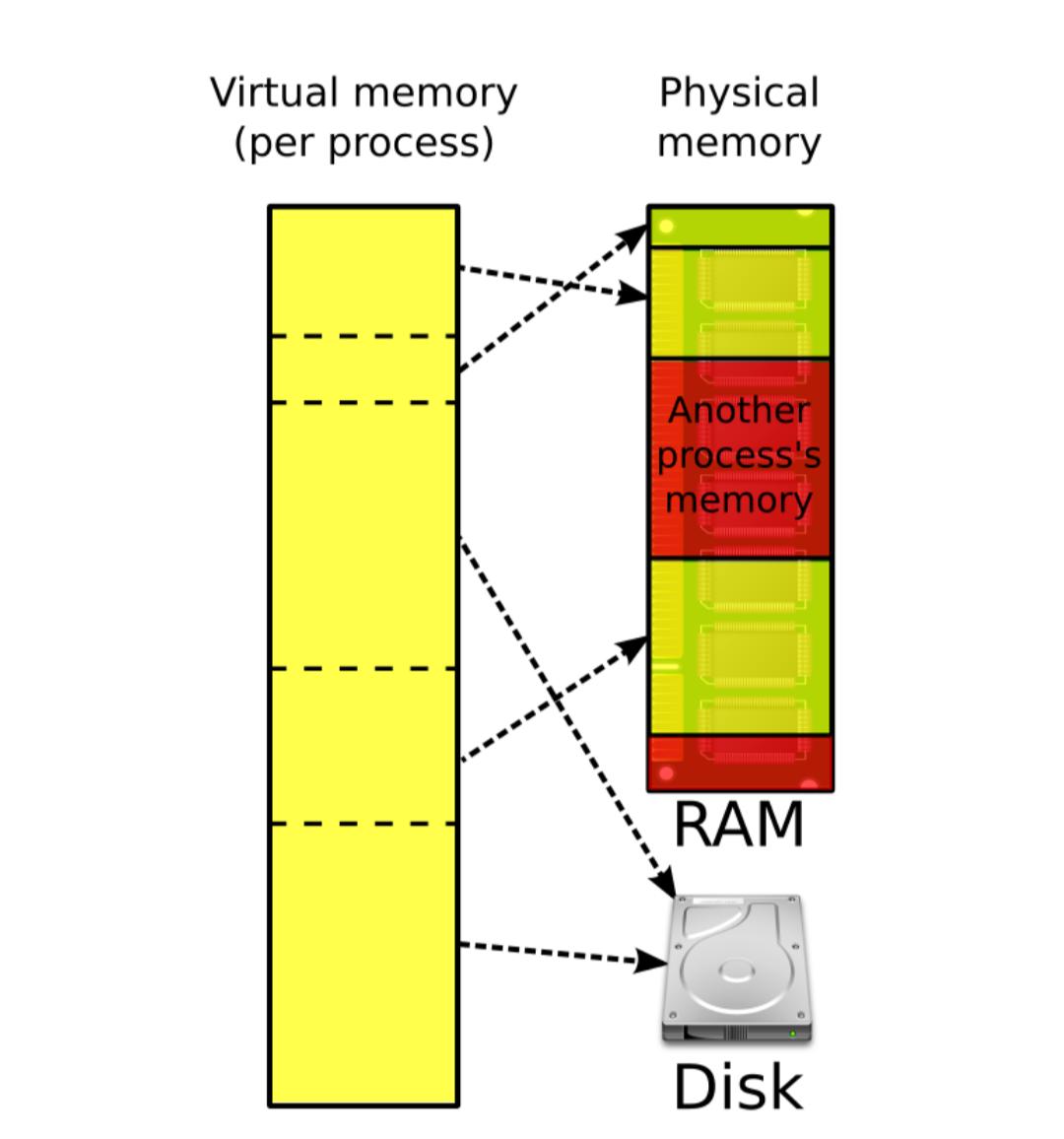
Virtual memory is a crucial concept in operating systems that allows for the efficient management of a computer's memory resources. It enables systems to execute larger applications or multiple applications simultaneously, even when the physical memory is limited.


Virtual memory operates primarily through two techniques: paging and segmentation.

- Paging divides the virtual memory into fixed-size pages and maps them onto physical frames in RAM. When a program needs data that isn’t currently in RAM, the OS retrieves it from disk storage (swap space) and loads it into RAM.

- Segmentation involves dividing the virtual address space into segments based on logical divisions, such as functions or objects, which can vary in size

-Benefits:

- Increased Effective Memory Size: Virtual memory allows systems to run larger applications than could fit into RAM.

- Isolation and Protection: Each process operates in its own virtual address space, preventing them from interfering with each other’s memory.

- Efficient Use of RAM: By keeping only active pages in physical memory and swapping inactive ones out, the system can maintain responsiveness even under heavy load.

-While virtual memory offers significant advantages, it can also introduce performance overhead:

- Page Faults: When a program accesses a page not currently in RAM, a page fault occurs, leading to delays as the system retrieves data from disk.

- Thrashing: If the system spends more time swapping pages in and out than executing processes, performance degrades significantly.

systems running database management systems (DBMS) benefit from virtual memory when handling large datasets that exceed physical memory limits.

Additionally, operating systems like Windows, Linux, and macOS implement sophisticated algorithms for page replacement (e.g., Least Recently Used - LRU), which significantly impact how well these systems perform under various conditions


53003230100

Disha parekh


Comments ()


Sign in

Read Next

OS Assignment 3 Deadlock

Blog banner

MODERN OPERATING SYSTEM

Blog banner

Data Lake

Blog banner

Virtual Machine

Blog banner

Modern operating systems (OS)

Blog banner

HOW CAN SOCIAL MEDIA MAKE YOU HAPPIER?

Blog banner

Art and Culture of Rajasthan

Blog banner

A Journey By Train

Blog banner

TOGETHER WE CAN CONQUER #team

Blog banner

Biometric Authentication and Privacy: Balancing Ethical Concerns

Blog banner

Service Design Model

Blog banner

Race condition

Blog banner

Technical SEO : Total Guide

Blog banner

Objectives and Functions of Operating System

Blog banner

Health is Wealth

Blog banner

Answer

Blog banner

How covid-19 impacted Social media ad spend forecast globally

Blog banner

How to use open SSL for web server - browser communication

Blog banner

MODERN OPERATING SYSTEM

Blog banner

Types Of Interrupt

Blog banner

Secure Hypertext transfer protocol

Blog banner

Super Garlicky Tomato Soup with Smashed White Beans

Blog banner

Instagram Features in 2023 That Will Leave You Stunned!

Blog banner

The Power of Teamwork: Learning Collaboration Through Everyday Activities

Blog banner

Mumbai

Blog banner

Paging

Blog banner

26/11 The Black Day Of Mumbai

Blog banner

Types of email

Blog banner

Virtual Machine

Blog banner

What is semaphore in operating system?

Blog banner

Simple AI Symptom Diagnosis Using LISP – Rule-Based Expert System

Blog banner

Smartsheet

Blog banner

Google classroom

Blog banner

Cache memory

Blog banner

Not anti-social, but pro-solitude

Blog banner

Article on Team Work

Blog banner

Race Condition

Blog banner

Distributed Denial of Service (DDoS) attack

Blog banner

Some facts about Technology

Blog banner

A Heartfelt Act of Kindness

Blog banner

Top Career Paths After a B.Com Degree in Mumbai: What’s Next for You?

Blog banner

Risk factors in service transistion

Blog banner