The Increasing Regulatory Focus on Privacy
The ongoing trend of data breaches and the increasing privacy risks associated with social media continue to be a national and international concern. These issues have prompted regulators to seriously explore the need for new and stronger regulations to protect consumer privacy. Some of the regulatory solutions focus on U.S. federal-level breach and privacy laws, while individual U.S. states are also looking to strengthen and broaden their privacy laws.
Privacy is Important For technology to be effective, individuals and corporations must be able to trust it. McAfee believes that trust in the integrity of systems – whether a corporate firewall or a child’s cell phone – is essential to enabling people to get the most possible out of their technologies. Fundamental to that trust is privacy and the protection of data. McAfee is committed to enabling the protection of customer, consumer and employee data by providing robust security solutions.
Why Privacy Matters
Protecting our customers’ personal data and intellectual property, and their consumer and corporate products, is a core value.
Robust Privacy and Security solutions are fundamental to McAfee’s strategic vision, products, services and technology solutions.
Privacy and Security solutions enable our corporate and government customers to more efficiently and effectively comply with applicable regulatory requirements.
Today, electronic systems are commonly used by government, business and consumers. There are many types of electronic systems and connected devices used for a variety of beneficial purposes and entertainment. The use of data is a common element across these systems, some of which may be confidential information, personal data and or sensitive data.
A reliable electronic system must have adequate security to protect the data the system is entrusted to process and use. Data leaks and security breaches threaten the ability of customers to trust businesses and their products. Flawed or inadequate data security to provide robust data protection puts consumers’ privacy at risk.
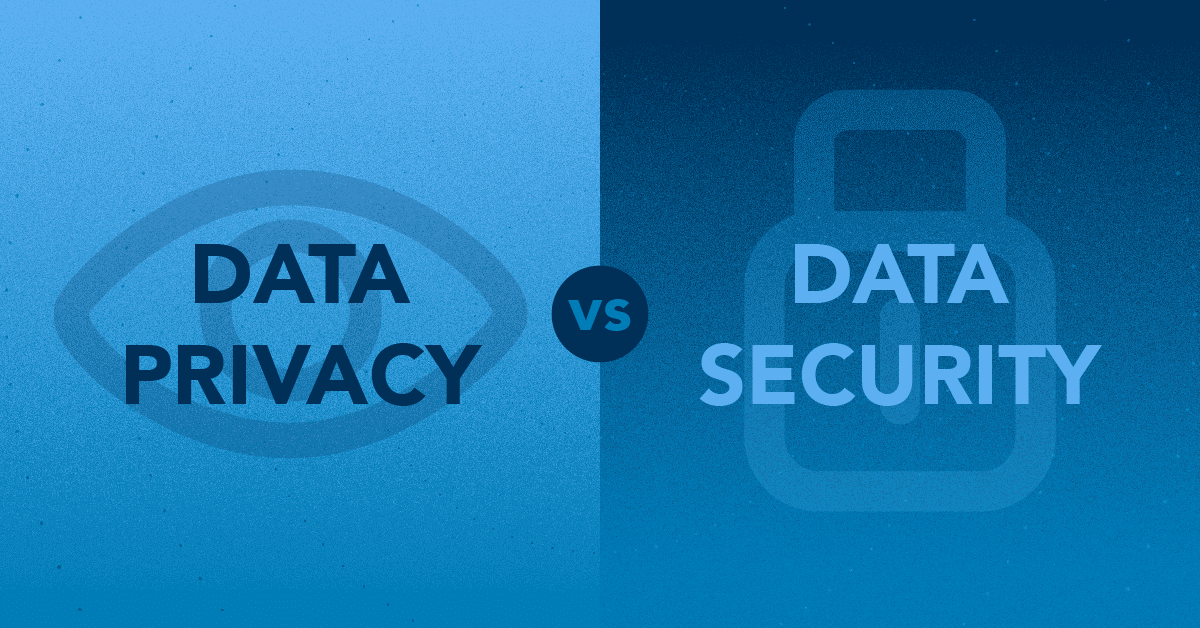
Too often, privacy and information security are thought of as separate and potentially opposing concerns. However, there are large areas of interdependency between these two important policy areas. Privacy and information security must work in harmony and support each other to achieve the goal of consumer privacy. Privacy requires that consumers have the capacity to decide what data about them is collected and processed, and the data must have safeguards driven by appropriately secure technologies and processes.
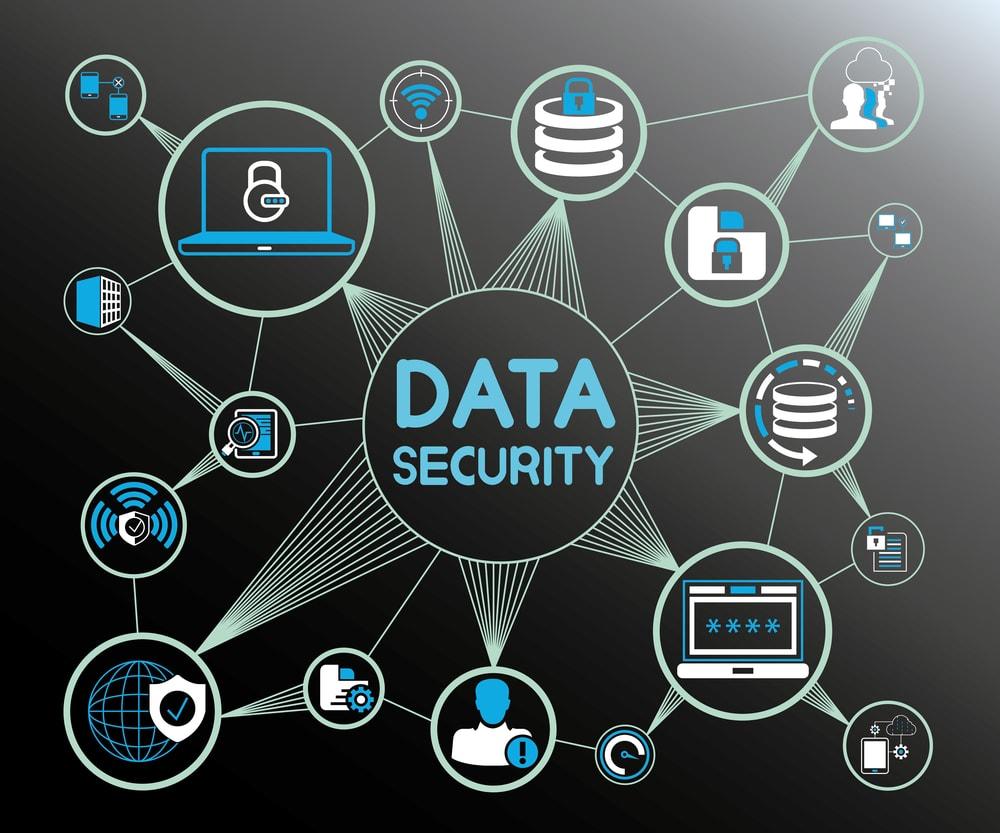
Data security is the process of protecting data from unauthorized access and data corruption throughout its lifecycle. Privacy is an individual’s right or desire to be left alone and or to have the ability to control her own data. Data security also enables the effective implementation of protective digital privacy measures to prevent unauthorized access to computers, databases and websites. Data security and privacy must be aligned to effectively implement consumer privacy protections.
An effective risk-based privacy and security framework should apply to all collection of personal data. This does not mean that all frameworks solutions are equal. The risks of collection and processing the personal data must be weighed against the benefits of using the data. Transparency, choice and reasonable notice should always be a part of the way data is collected. The specific solutions of a framework may vary based on the risk and specific types of data. The key is to have in place a proactive evaluation (Privacy and Security by Design principles) to provide the most effective protection for the specific application and data use.