
In today's digitized world, the Internet of Things (IoT) has revolutionized how we interact with technology. From smart thermostats to industrial sensors, IoT devices are seamlessly integrated into our lives and workplaces. However, beneath this convenience lies a critical vulnerability – the human factor. The actions, decisions, and behaviours of individuals can become the Achilles' heel of IoT security within organizations.
Understanding the Human Factor
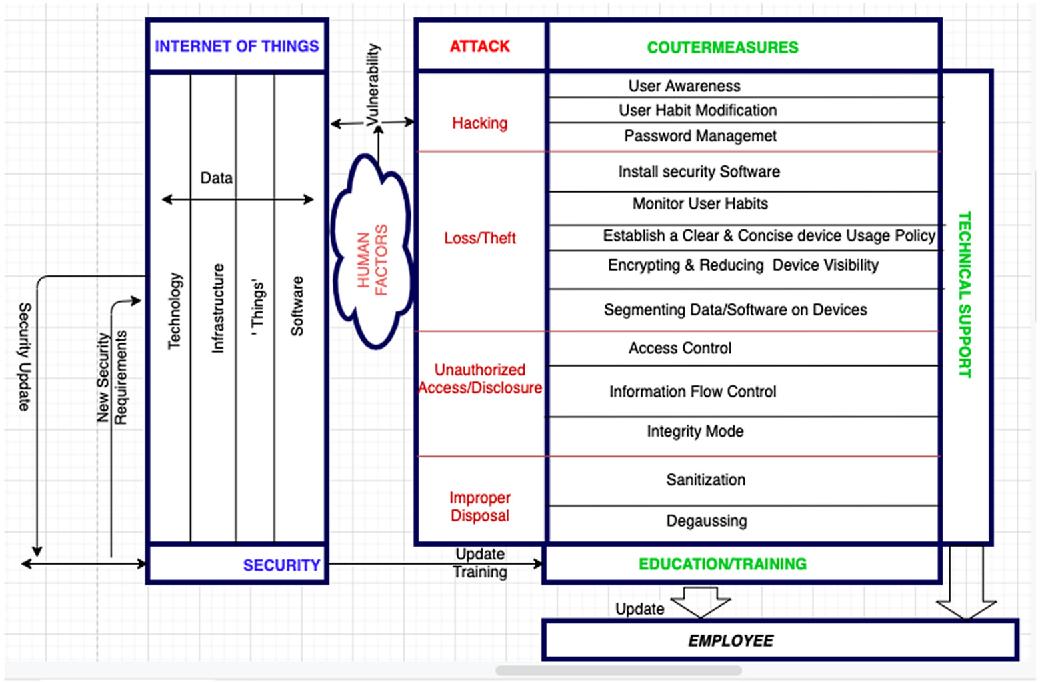
IoT security isn't solely about firewalls and encryption it's about the complex interplay between technology and human behaviour. Human actions can inadvertently introduce vulnerabilities, undermine security protocols, and even open the door for malicious actors. Let's delve into why the human factor is a formidable challenge in IoT security.
1. Common Mistakes: Humans are prone to errors, and IoT security is no exception. Weak passwords, misconfigured devices, and ignoring software updates are common missteps that can lead to significant breaches.
2. Insider Threats: While insiders have legitimate access to IoT systems, they can pose significant threats. Intentional or unintentional actions by employees can compromise security, often without detection.
3. Lack of Security Awareness: Employees unaware of potential security risks are susceptible to engaging in unsafe behaviours. A lack of cybersecurity awareness contributes to weak security hygiene.
4. Social Engineering: Attackers exploit human psychology through social engineering tactics. Phishing emails and pretexting are examples of how hackers manipulate individuals into divulging sensitive information.
5. Device Hygiene: Personal devices brought into the workplace, whether intentionally or accidentally, can introduce security risks. If these devices aren't correctly secured, they can become gateways for breaches.
Impact on IoT Security
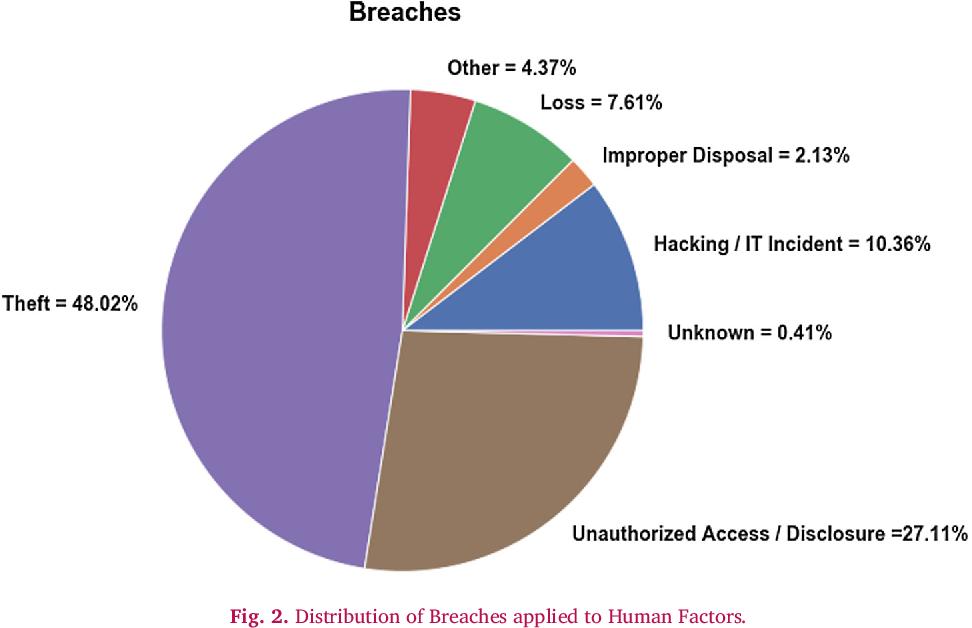
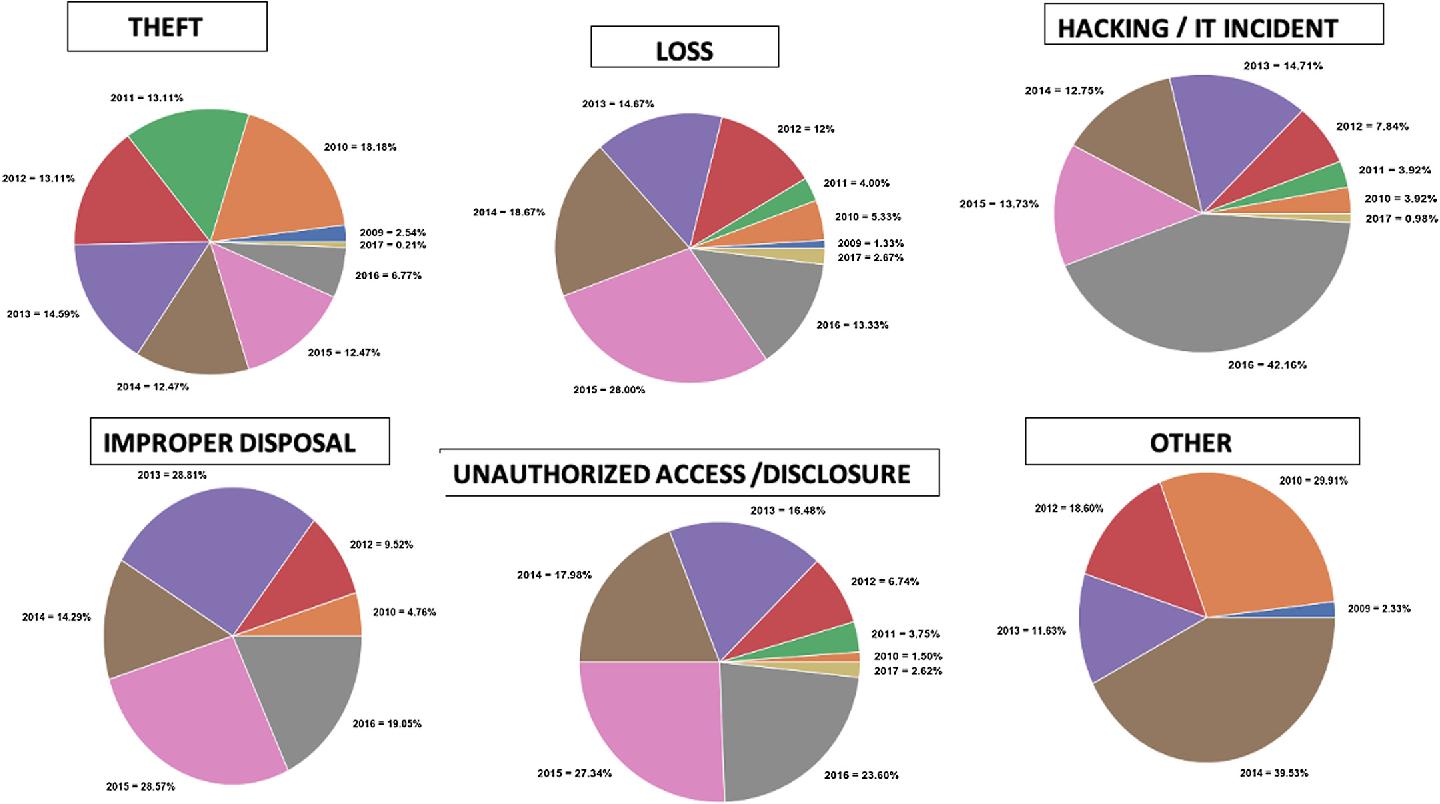
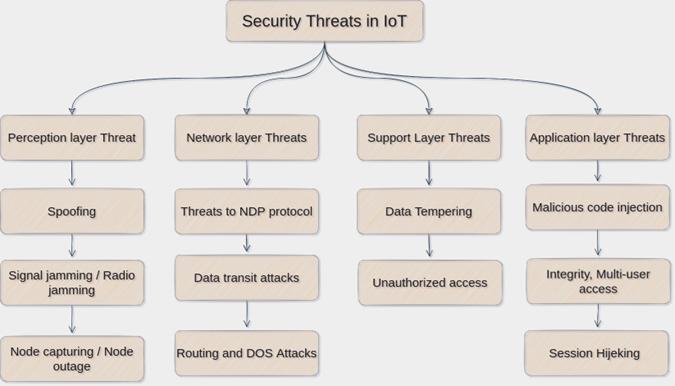
The consequences of human-related security breaches in IoT can be dire. Breaches can lead to data leaks, service disruptions, financial losses, and even damage to an organization's reputation. The interconnected nature of IoT amplifies the potential damage.
Mitigating the Human Factor
To address the human factor's impact on IoT security, organizations must take proactive steps:
1. Robust Security Training: Educate employees about the importance of IoT security, common threats, and safe practices. Regular training keeps security awareness high.
2. Clear Policies and Guidelines: Establish clear and user-friendly security policies. Make them easily accessible and understandable to encourage compliance.
3. Multifactor Authentication (MFA): Implement MFA to add an extra layer of protection, even if passwords are compromised.
4. Behavioral Analytics: Use AI-driven behavioural analytics to detect unusual patterns that might indicate insider threats or compromised accounts.
5. Building a Security Culture: Promote a culture of security consciousness within the organization. When security becomes part of the organizational DNA, employees are more likely to make security-conscious decisions.
Conclusion
In the intricate web of IoT security, the human factor is a critical yet often underestimated element. Organizations can bolster their IoT security strategies by understanding the potential risks associated with human behaviour. Combining advanced technological measures with comprehensive training and a security-focused culture is the key to strengthening the weakest link in the chain. Remember, securing IoT isn't just about securing devices; it's about securing the people who interact with them.