wisemonkeys logo
FeedNotificationProfileManage Forms
FeedNotificationSearchSign in
wisemonkeys logo

Blogs

Operating Systems Overview

profile
Aryan Kasurde
Jul 12, 2023
0 Likes
0 Discussions
128 Reads

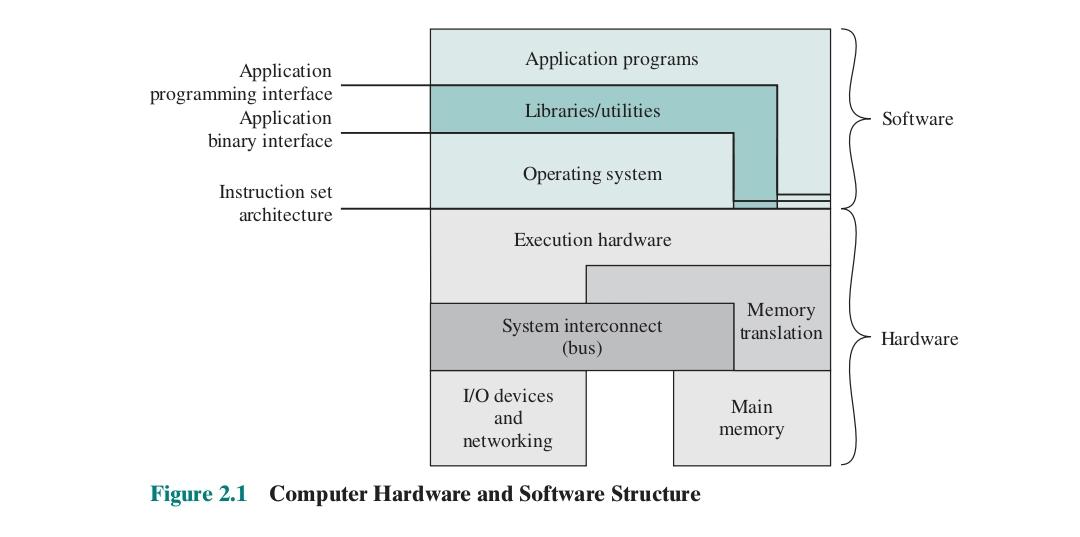
Operating systems are those programs that interface the machine with the applications programs. 

Briefly, the OS typically provides services in the following areas: 

• Program development: The OS provides a variety of facilities and services,such as editors and debuggers, to assist the programmer in creating programs. 

• Program execution: A number of steps need to be performed to execute a program. Instructions and data must be loaded into main memory, I/O devices and files must be initialized,

• Access to I/O devices: Each I/O device requires its own peculiar set of instructions or control signals for operation.

• Controlled access to files: For file access, the OS must reflect a detailed understanding of not only the nature of the I/O device (disk drive, tape drive) but also the structure of the data contained in the files on the storage medium. 

Simple Batch Systems

 Early computers were very expensive, and therefore it was important to maximize processor utilization. The wasted time due to scheduling and setup time was unacceptable.To improve utilization, the concept of a batch OS was developed. It appears that the first batch OS (and the first OS of any kind) was developed in the mid-1950s by General Motors for use on an IBM 701 [WEIZ81]. The concept was subsequently refined and implemented on the IBM 704 by a number of IBM customers. By the early 1960s, a number of vendors had developed batch operating systems for their computer systems. IBSYS, the IBM OS for the 7090/7094 computers, is particularly notable because of its widespread influence on other systems.The central idea behind the simple batch-processing scheme is the use of a piece of software known as the monitor.



Comments ()


Sign in

Read Next

How can denial-of-service(Dos) attacks be prevented?

Blog banner

How To Invest in Indian Stock Market For Beginners. ~ Tutorial 2 (NSDL And CSDL) Continued...

Blog banner

Virtual memory

Blog banner

File Management system

Blog banner

Memory Management Techniques

Blog banner

INSTAGRAM

Blog banner

S-Tool : Steganography

Blog banner

Decoding Confusion Matrix

Blog banner

Development Of Modern Operating System

Blog banner

Buffer Overflow

Blog banner

Understanding E-mail Servers

Blog banner

Objectives and Functions of Operating System

Blog banner

How to setup a professional looking business account on Instagram?

Blog banner

TOP 5 GAMING GADGETS (2024)

Blog banner

Deadlock

Blog banner

Types of E-Commerce

Blog banner

Multiple processor scheduling

Blog banner

MoSCoW METHOD IN DATA SCIENCE

Blog banner

Virtual memory

Blog banner

LinkedIn: Watch out for these 7 upcoming updates in 2023

Blog banner

Indian Culture and Tradition

Blog banner

Multiprocessor and scheduling

Blog banner

Travel: Everything Everywhere!

Blog banner

Network Forensics

Blog banner

Data Security and Data Privacy in Data Science

Blog banner

LINUX

Blog banner

Network Security Risks

Blog banner

HUBSPOT

Blog banner

The Khan mehtab transforming the modular switches

Blog banner

Lucidchart

Blog banner

Synchronization

Blog banner

Microsoft Windows Overview

Blog banner

DMZ: Your Secret Weapon for Data Security

Blog banner

Game via listing method

Blog banner

MAILFENCE

Blog banner

Types of Hackers.

Blog banner

Trello ( management software)

Blog banner

Importance of business process documentation

Blog banner

HR Automation : Need of the hour

Blog banner

Cache memory

Blog banner

Difference Between Classification And Clustering

Blog banner

Virtual memory

Blog banner