wisemonkeys logo
FeedNotificationProfileManage Forms
FeedNotificationSearchSign in
wisemonkeys logo

Blogs

Cache memory

profile
Ankit sharma undefined
Jul 04, 2024
0 Likes
0 Discussions
78 Reads

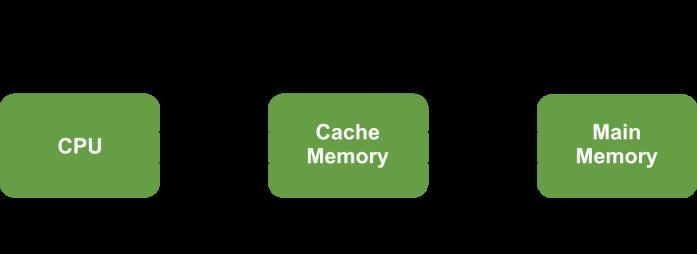
Cache memory is a small, high-speed memory located close to the CPU, designed to temporarily store frequently accessed data and instructions. Its primary purpose is to reduce the time the CPU takes to access data from the main memory , thus speeding up overall system performance. 

Cache memory is used to enhance the performance and efficiency of computer systems. Here are some specific uses and benefits:

1. Speeding Up Data Access: By storing frequently accessed data and instructions, cache memory allows the CPU to access this information much faster than retrieving it from the main memory, thereby reducing latency.

2. Improving CPU Performance: Cache memory keeps the CPU supplied with the data it needs without waiting for slower main memory, which keeps the CPU busy and reduces idle time.

3. Enhancing System Responsiveness: Faster data access leads to quicker execution of programs and smoother system performance, providing a better user experience.

4. Reducing Memory Bottlenecks: By handling frequent data requests, cache memory alleviates the load on the main memory, reducing bottlenecks and improving overall system throughput.

Cache memory is a type of high-speed volatile computer memory that provides high-speed data access to the processor and improves the efficiency and speed of computer operations. Here are some fundamental principles of cache memory:

1. Temporal Locality: Frequently accessed data or instructions are likely to be accessed again in the near future. The cache holds these items to speed up future accesses.

2. Spatial Locality: Data elements with addresses close to recently accessed data are likely to be accessed soon. Cache lines, which fetch blocks of contiguous memory addresses, exploit this principle.

3. Cache Hierarchies: Modern computers use multiple levels of cache (L1, L2, L3) with different sizes and speeds. L1 is the smallest and fastest, while L3 is larger and slower.

4. Mapping: How data from main memory is placed into cache. Common methods include direct-mapped, fully associative, and set-associative caching.


.


Comments ()


Sign in

Read Next

File management

Blog banner

Honeypot in cyber security

Blog banner

Digital Marketing

Blog banner

MIDDLE CLASS MELODIES!!

Blog banner

Memory Management

Blog banner

The Golden Temple , Amritsar

Blog banner

VPN

Blog banner

Is Social Media Marketing The Next Wave Of Digital Marketing?

Blog banner

Fun Christmas Activities For Toddlers & Kids

Blog banner

How to Run your First android App

Blog banner

MULTITHREADING:ENHANCEING PERFORMANCE AND EFFICIENCY IN COMPUTING

Blog banner

Evolution of Operating System

Blog banner

The Art Of Getting What You Want In Life....

Blog banner

GIS in Disaster Management

Blog banner

Interrupts in OS

Blog banner

Memory Management

Blog banner

Processes : Process description and control

Blog banner

Pooja Silver

Blog banner

Multithreading in Operating System

Blog banner

I/O Management and Disk Scheduling

Blog banner

ARTICLE ON WRIKE CORPORATION

Blog banner

10 Interesting Facts about Attack on Titan

Blog banner

Technical SEO : Total Guide

Blog banner

gis substation

Blog banner

The Rich Heritage Of Patola Sarees: Gujarat’s Timeless Weaving Art

Blog banner

Kernel in Operating System

Blog banner

RAID and It's Levels

Blog banner

Deadlock and Starvation

Blog banner

Health and fitness

Blog banner

CYBERPEACEKEEPING: NEW WAYS TO PREVENT AND MANAGE CYBERATTACKS

Blog banner

ASANA- A Management System.

Blog banner

CONCURRENCY: MUTUAL EXCLUSION AND SYNCHRONIZATION-het karia

Blog banner

Threads Concurrency: Mutual Exclusion and Synchronization

Blog banner

Understanding E-mail Servers

Blog banner

Europe Through My Lens

Blog banner

Cache Memory in Operating Systems

Blog banner

Memory Management in Operating System

Blog banner

BUFFER OVERFLOW_142

Blog banner

Smart Shoephone: Is that technology overdose!?

Blog banner

LiquidPlanner

Blog banner

Google App Engine

Blog banner

Education: Key to your Prosperity

Blog banner