As we all know that data is often called the " new oil " because it fuels technology, business, and decision making across all industries .
Organizations rely heavily on data to understand their customers and the market trends which help them to enhance their services .
What is Data Quality Management?
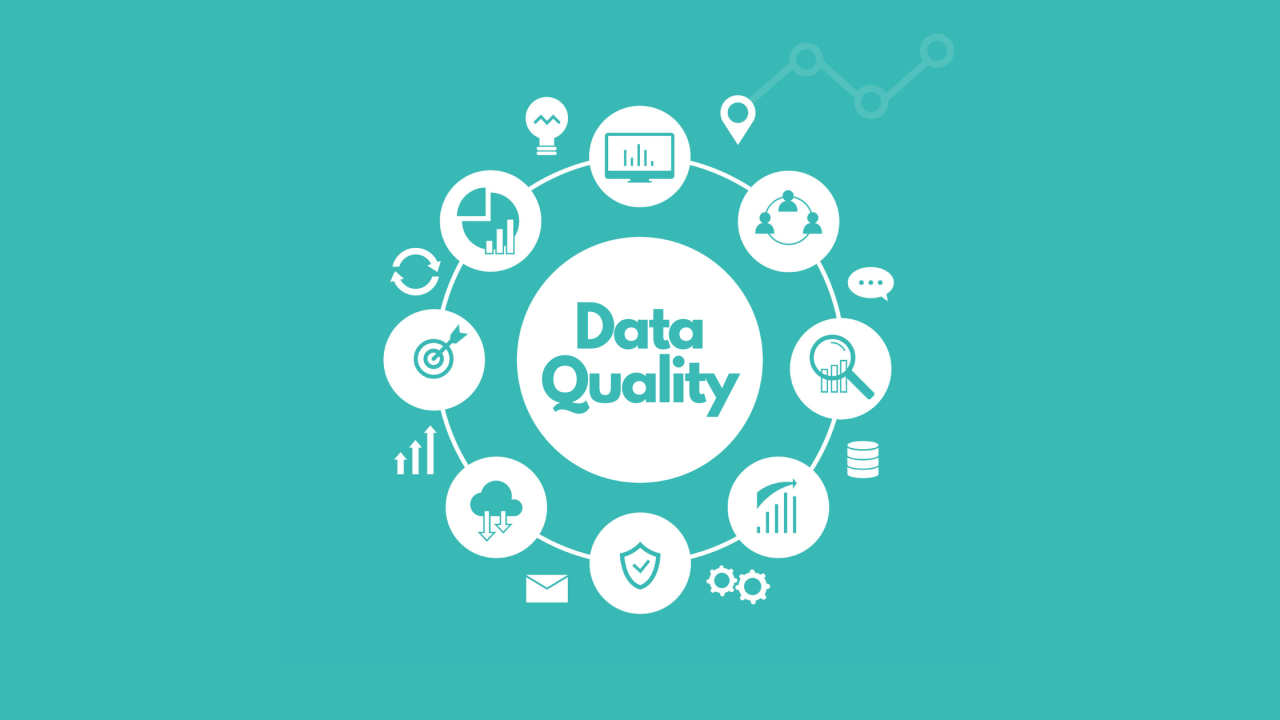
Data Quality Management is the process of ensuring that data is accurate, complete, consistent, valid, and reliable. It includes a combination of tools, techniques, and policies designed to transform raw, messy data into a trusted asset for analytics and business decision making.
In today’s data-driven world, organizations generate huge volumes of data daily. Without proper quality checks, this data can lead to misleading insights, wasted resources, and poor business outcomes.
Why is it Important in Data Science?
In data science, models and algorithms learn patterns from historical data. If that data is flawed, the predictions and insights will also be flawed—a concept often described as “Garbage In, Garbage Out” (GIGO) means if we feed wrong data to the system it will give us wrong insight.
For example:
• In healthcare, poor data quality can lead to incorrect patient diagnoses.
• In e-commerce, duplicate or missing product data may cause inventory and sales mismatches.
• In banking, inaccurate customer records can lead to compliance issues and financial risks.
Key Dimensions of Data Quality
1. Accuracy – Is the data correct?
2. Completeness – Are all required fields available?
3. Consistency – Is the data uniform across systems?
4. Timeliness – Is the data up to date?
5. Validity – Does the data is valid or not?
How to Achieve High Data Quality
• Data Cleaning: Removing duplicates, fixing errors, filling missing values.
• Data Standardization: Using common formats and structures across systems.
• Validation Rules: Ensuring only correct data is entered.
• Regular Monitoring: Tracking data quality with dashboards and audits.
Conclusion:
Data Quality Management is not just about fixing data once; it is a continuous process of keeping data clean, correct, and useful.
High-quality data leads to better decisions, improved efficiency, and build customer trust.
Clean Data = Clear Insights = Better Business growth
Thank you !!