
Beyond the Yellow Tape: A Look Inside the World of Crime Scene Processing
The flashing lights, the hushed voices, the yellow tape fluttering in the wind - crime scenes are often depicted as dramatic and suspenseful settings in movies and TV shows. But the reality of processing a crime scene is far more meticulous and methodical than any fictional portrayal. It's a complex dance of observation, analysis, and deduction, played out by a team of dedicated professionals whose job it is to uncover the truth behind what happened.
Setting the Stage: Securing and Surveying
The first act of any crime scene investigation begins with securing the area. Officers establish a perimeter to protect the scene from contamination and ensure the safety of witnesses and investigators. Then, the meticulous work begins. Crime scene investigators (CSIs) meticulously document the scene, taking panoramic photographs, detailed sketches, and precise notes. Every detail, from the position of a fallen object to the tire tracks on the pavement, is carefully recorded.
Lifting the Curtain: Evidence Collection
Next comes the delicate operation of evidence collection. Fingerprints are dusted, footprints cast, and DNA traces meticulously gathered. Each piece of evidence is bagged and tagged, meticulously documented, and transported to the laboratory for further analysis. Blood spatter patterns are interpreted, fibers combed, and ballistics experts examine bullet trajectories. Every scrap, every mark, whispers a story waiting to be deciphered.
Beyond the Physical: The Digital Dimension
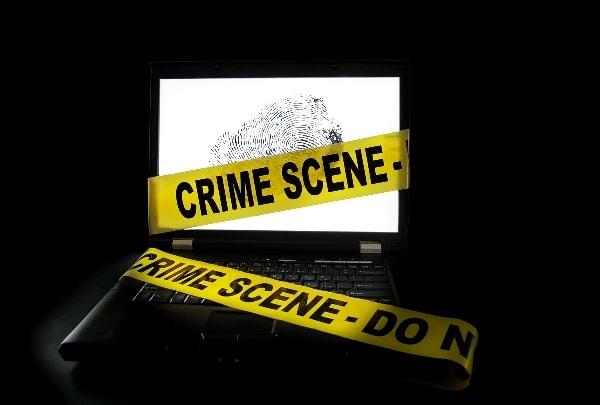
In the modern world, the crime scene extends beyond the physical space. Digital forensics plays a crucial role, dissecting digital trails left behind on computers, phones, and other devices. Deleted files are recovered, social media posts analyzed, and internet activity meticulously traced. The cyber sleuths join the dance, revealing secrets hidden in the digital shadows.
The Symphony of Expertise: Collaboration and Analysis
No single investigator holds the key. CSIs, forensic scientists, medical examiners, detectives, and other specialists work in tandem, each playing their part in the investigative symphony. Information is shared, theories debated, and the puzzle slowly begins to take shape. Witness accounts are meticulously assessed, timelines constructed, and alibis verified.
The Grand Finale: Justice Served
Ultimately, the meticulous processing of the crime or incident scene culminates in a powerful narrative, a story gleaned from the whispers of evidence. This narrative provides the foundation for bringing perpetrators to justice, offering solace to victims, and preventing future tragedies.
Beyond the Headlines: The Human Cost
However, it's crucial to remember that behind the scientific analysis lie human tragedies. CSIs are not immune to the emotional impact of their work. They witness the worst of humanity, the raw grief and loss etched on the faces of victims' families. Their dedication requires not only a keen eye for detail but also a compassionate heart.
A Constant Evolution: The Quest for Truth
The field of crime scene processing is constantly evolving, adopting new technologies and refining existing practices. From DNA advancements to drone-assisted photography, the quest for truth never sleeps. Each breakthrough unlocks new avenues for uncovering the hidden, each innovation another weapon in the arsenal of justice.
Conclusion:
Processing crime and incident scenes is a multifaceted and dynamic process that requires precision, attention to detail, and the integration of cutting-edge technology. A well-executed crime scene investigation can provide critical insights into criminal activities, ensure the collection of admissible evidence, and contribute to the pursuit of justice. As forensic science continues to advance, the methods and tools used in crime scene processing will evolve, further enhancing the ability to unravel complex cases and uncover the truth.