The evolution of operating systems has been a fascinating journey that spans several decades. Here's a brief overview of its major milestones:
1. Early Batch Processing Systems (1950s-1960s): The first operating systems were designed for mainframes, allowing users to submit batch jobs for processing. These systems operated without any user interaction and were primarily used for scientific and business computations.
2. Time-Sharing Systems (1960s-1970s): Time-sharing systems allowed multiple users to interact with a single mainframe simultaneously. This marked a significant shift as users could now share computing resources and perform tasks interactively.
3. The Rise of Microcomputers and Personal Computers (1970s-1980s): With the introduction of microcomputers and personal computers, operating systems like MS-DOS, Apple DOS, and later Windows and Mac OS emerged. These early systems had limited multitasking capabilities and required users to interact with command-line interfaces.
4. Graphical User Interfaces (GUI) (1980s-1990s): The advent of graphical user interfaces revolutionized operating systems, making them more user-friendly. Apple's Macintosh introduced the use of icons, windows, and mouse-driven interactions. Microsoft followed suit with Windows, leading to widespread adoption of GUI-based systems.
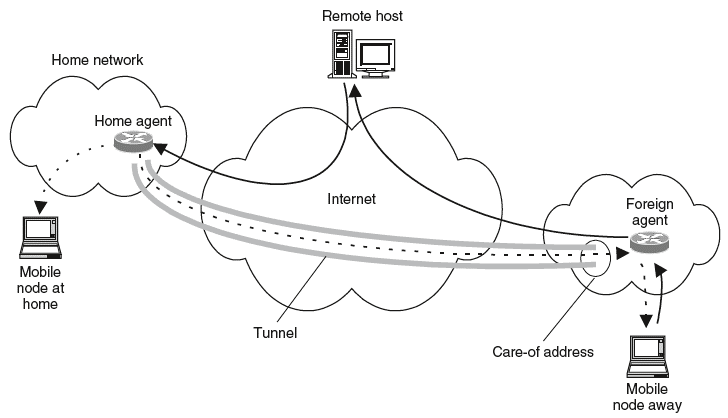
5. Networked Operating Systems (1990s-2000s): The 1990s saw the rise of networked computing, leading to the development of network-centric operating systems like Novell NetWare and Windows NT. These systems provided robust networking capabilities, enabling organizations to establish local and wide-area networks.
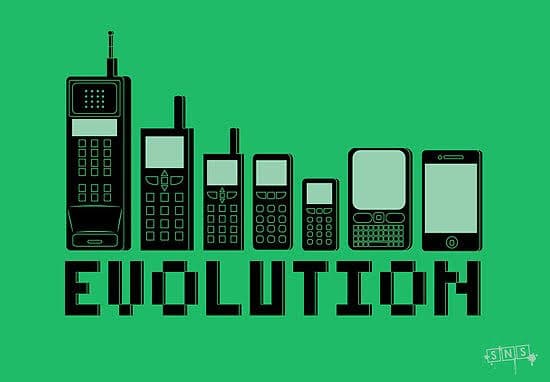
6. Mobile Operating Systems (2000s-2010s): The popularity of smartphones led to the emergence of mobile operating systems like Symbian, BlackBerry OS, and later iOS and Android. These systems were optimized for touch-screen interfaces and introduced mobile app ecosystems.
7. Modern Multiplatform Operating Systems (2010s-Present): In recent years, operating systems have become increasingly multiplatform, supporting various device types, including smartphones, tablets, laptops, and IoT devices. Cloud computing and virtualization have also become integral parts of modern operating systems, allowing seamless integration of services across devices.
8. Focus on Security and Privacy (2010s-Present): With the growing reliance on technology, operating systems have placed greater emphasis on security and privacy. Frequent updates, built-in security features, and better data protection mechanisms have become standard practices.
9. AI Integration and Automation (2010s-Present): As artificial intelligence and machine learning technologies advance, operating systems have started incorporating AI-driven features, like virtual assistants and predictive capabilities, enhancing user experience and productivity.
The evolution of operating systems continues to progress, driven by advancements in hardware, software, and user needs, making computing increasingly efficient, secure, and user-friendly.